
Indian Wedding Photography: The Complete Photo Checklist for Every Ceremony
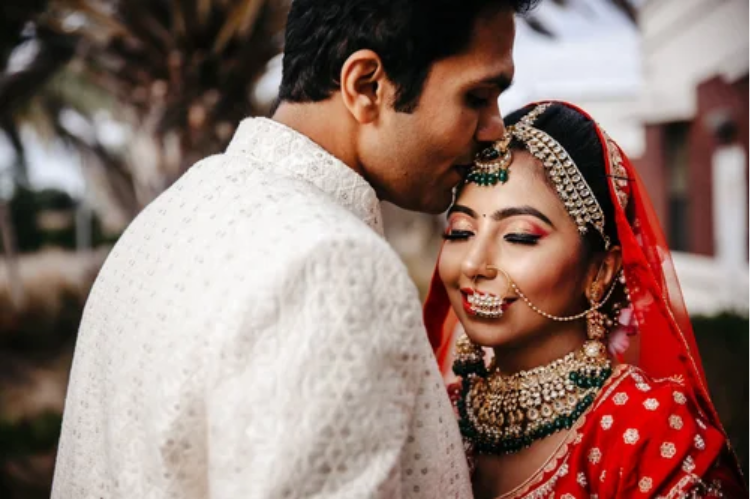
Indian Wedding Photography is more than taking beautiful pictures. It is about preserving every tradition, every smile, and every emotional moment that makes your wedding unique. At Sidpix Studios, we understand the beauty and significance of every wedding celebration. Choosing the right Photographer for Indian Wedding and preparing a clear photo checklist helps ensure that every important memory is captured from the first celebration to the final farewell with timeless, authentic images.
Key Takeaways
Plan your wedding photography timeline before every event.
Share your ceremony schedule with your photographer.
Make a list of important family members and group photos.
Include both traditional and candid photographs.
Leave enough time for couple portraits during the day.
Why a Photo Checklist Matters for Indian Weddings
Indian weddings are filled with colorful traditions, meaningful rituals, and emotional family moments. Since celebrations often last several days, many important memories can be missed without proper planning. Working with an experienced Photographer for Indian Wedding and using a detailed photography checklist helps organize every event while allowing the photographer to focus on capturing genuine emotions instead of worrying about what comes next.
A simple checklist also keeps family members informed, reduces last-minute stress, and ensures every ceremony receives the attention it deserves. From decorations to family portraits, every detail becomes part of your complete wedding story.
Planning Before the Wedding Day
Successful wedding photography begins weeks before the wedding itself. Meeting your photographer early allows you to discuss your vision, ceremony timeline, important traditions, and special requests. This planning stage also helps identify the best locations for portraits and prepares everyone for a smooth photography experience.
Before the wedding, gather all event details in one place and share them with your photographer. Include venue addresses, ceremony timings, family contacts, and any special customs that should receive extra attention. Good preparation makes the wedding day feel more relaxed for everyone involved.
Create a Wedding Photography Timeline
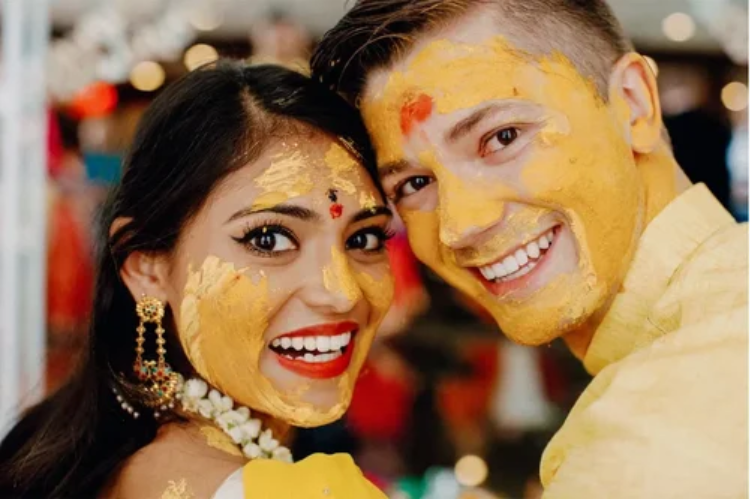
Every Indian wedding follows a schedule, but celebrations often run longer than expected. Building extra time into your photography timeline helps prevent rushed portraits and missed opportunities. A flexible schedule also allows photographers to capture spontaneous moments that often become the most meaningful photographs.
Your timeline should include preparation, guest arrivals, ceremonies, couple portraits, family photographs, reception events, and time for creating stunning images for your portraits gallery. Keeping everyone informed allows the day to flow naturally while giving your photographer enough time to document every important moment.
Getting Ready Photography
The excitement begins long before the ceremony starts. Hair styling, makeup, dressing, and final preparations create beautiful memories that deserve professional photographs. These quiet moments often show genuine emotions as family members help the bride and groom prepare for one of the biggest days of their lives.
Photographers should capture natural interactions instead of asking everyone to pose constantly. Parents adjusting jewelry, friends sharing laughter, and siblings offering encouragement all become meaningful memories that add warmth to the final wedding album.
Photographing the Bridal Details
Every bridal accessory has been carefully selected for the wedding day. These details deserve dedicated photographs before they are worn because they help tell the complete story of the celebration. Close-up images also add elegance and variety to the wedding gallery.
Some of the most important bridal details include the wedding outfit, jewelry, bangles, shoes, perfume, rings, invitation cards, bouquet, and decorative accessories. Photographing these items in natural light helps highlight their beauty while creating timeless images.
Capturing the Groom's Preparation
The groom's preparations are just as important as the bride's. From putting on the sherwani to adjusting the turban, these moments reflect excitement, confidence, and family traditions. They also help balance the wedding album by showing both sides of the celebration.
Photographs should include the groom getting ready with parents, siblings, and close friends. Small moments, such as fastening cufflinks or sharing a laugh before leaving for the ceremony, often become memorable images because they feel genuine and relaxed.
Wedding Venue and Decoration Photography
Wedding decorations require months of planning and deserve to be documented before guests arrive. Empty venue photographs highlight the beauty of the design while preserving details that may not be visible once the celebrations begin.
Photographers should capture the ceremony space from different angles, including floral arrangements, stage décor, lighting, entrance displays, seating areas, and decorative elements. These photographs help complete the visual story of the wedding and showcase the effort that went into creating the celebration.
The Baraat Celebration
The baraat is one of the most energetic parts of an Indian wedding. Music, dancing, and joyful celebrations create countless opportunities for lively photographs. Since everything happens quickly, photographers should stay prepared to capture both large crowd scenes and individual expressions.
Key moments to photograph include:
The groom's arrival
Family members dancing
Live musicians or performers
Guests celebrating together
Emotional reactions from relatives
These images bring excitement to the wedding album and show the joyful beginning of the ceremony.
Welcoming the Groom
The welcome ceremony brings both families together before the wedding rituals begin. Although this part of the celebration is often brief, it includes meaningful traditions that deserve careful attention. Parents, grandparents, and close relatives share heartfelt greetings that reflect the warmth of the occasion.
Capturing these interactions naturally helps preserve genuine emotions. Photographs of blessings, traditional rituals, smiles, and family conversations create lasting memories that connect the beginning of the ceremony with everything that follows.
Preparing for Family Portraits
Family portraits are among the most valuable photographs from any wedding. Unlike candid moments, these portraits are carefully planned so every important family member is included. Organizing them before the ceremony saves time and helps the day run more smoothly.
Prepare a simple list of immediate family members, grandparents, siblings, and close relatives before the wedding. Sharing this list with your photographer ensures everyone is photographed without unnecessary delays, allowing the celebration to continue comfortably.
The Wedding Ceremony Photography Checklist
The wedding ceremony is the heart of every celebration. It is where promises are made, traditions come alive, and families come together. Since many rituals happen quickly, your photographer should know the order of events before the ceremony begins. A planned approach helps capture every meaningful moment without interruption and creates a complete story that you will enjoy looking back on for years.
The most important ceremony photographs include:
The couple entering the mandap
Priests performing rituals
Family blessings
Sacred fire and ceremonial items
Close-up expressions of the bride and groom
Varmala Exchange
The varmala ceremony is often one of the happiest moments of the wedding. Friends and family cheer while the couple exchanges flower garlands for the first time. Genuine smiles, laughter, and playful moments make this ceremony perfect for both candid and posed photography. Capturing different angles helps preserve the excitement and energy that make this tradition so memorable.
Your photographer should capture the exchange from both wide and close perspectives while also photographing the reactions of family members and guests.
Kanyadaan Ceremony
Kanyadaan is one of the most emotional parts of an Indian wedding. Parents bless their daughter as they formally welcome the groom into the family. The emotions shared during this tradition often become some of the most treasured photographs in the wedding album because they reflect love, pride, and the beginning of a new chapter.
During this ceremony, the photographer should focus on gentle expressions, hand movements, blessings, and emotional family interactions rather than only posed photographs.
Capturing the Seven Pheras
The seven pheras represent the promises the couple makes to each other. Every step around the sacred fire carries deep meaning. Since these moments happen continuously, the photographer should move carefully without distracting from the ceremony while documenting every important ritual.
Photographs should include:
Each round around the sacred fire
Close-ups of joined hands
Family watching the ceremony
Wide views of the mandap
Natural expressions throughout the vows
Sindoor and Mangalsutra Moments
Applying sindoor and tying the mangalsutra are two of the most recognized traditions in Indian weddings. These moments happen quickly, but they carry lifelong significance. Clear communication between the couple and photographer ensures these photographs are never missed.
Different camera angles help capture both the ritual itself and the emotional reactions from family members. These images often become the highlight of the final wedding album.
Candid Family Reactions
Some of the most meaningful wedding photographs are never planned. Parents wiping away tears, children laughing, grandparents smiling, and friends celebrating together tell the real story of the day. These natural moments add warmth and personality that posed portraits cannot replace.
A skilled wedding photographer indian understands how to quietly observe the celebration while capturing authentic emotions without interrupting the flow of events.
Beautiful Couple Portraits
Although candid photography is important, couples should also set aside time for dedicated portraits. The best time is usually during soft morning light or shortly before sunset. Good lighting creates timeless photographs while allowing the couple to relax away from the busy schedule.
Choose locations around the venue that offer attractive backgrounds such as gardens, elegant architecture, floral decorations, or open spaces. Simple poses combined with natural interaction often create the strongest images.
Reception Photography Checklist
The reception celebrates the beginning of married life with family and friends. While the atmosphere is more relaxed than the ceremony, it still includes many important moments that deserve professional photography.
Your reception checklist should include:
Grand entrance
First dance
Cake cutting
Family speeches
Guest interactions
These photographs complete the wedding story and capture the joyful atmosphere that continues after the traditional ceremonies.
Final Thoughts
A well-planned Indian Wedding Photography checklist ensures every tradition, celebration, and emotional moment is beautifully preserved. From getting ready in the morning to the final reception celebrations, every photograph becomes part of your family's story. Planning ahead also allows your photographer to focus on creativity while making sure no meaningful moment is missed. If you're searching for experienced professionals to capture every tradition with creativity and care. Contact us today to discuss your wedding plans and preserve every unforgettable moment with stunning photography.
FAQs
-
It captures every tradition, emotion, and unforgettable moment of your wedding.
-
It should begin during the getting-ready preparations before the ceremony.
-
It often covers multiple events over one to three days, depending on your wedding schedule.
-
Yes. Dedicated portrait time helps create relaxed and beautiful photos without feeling rushed.
-
Create a photo checklist and share your wedding timeline with your photographer.
