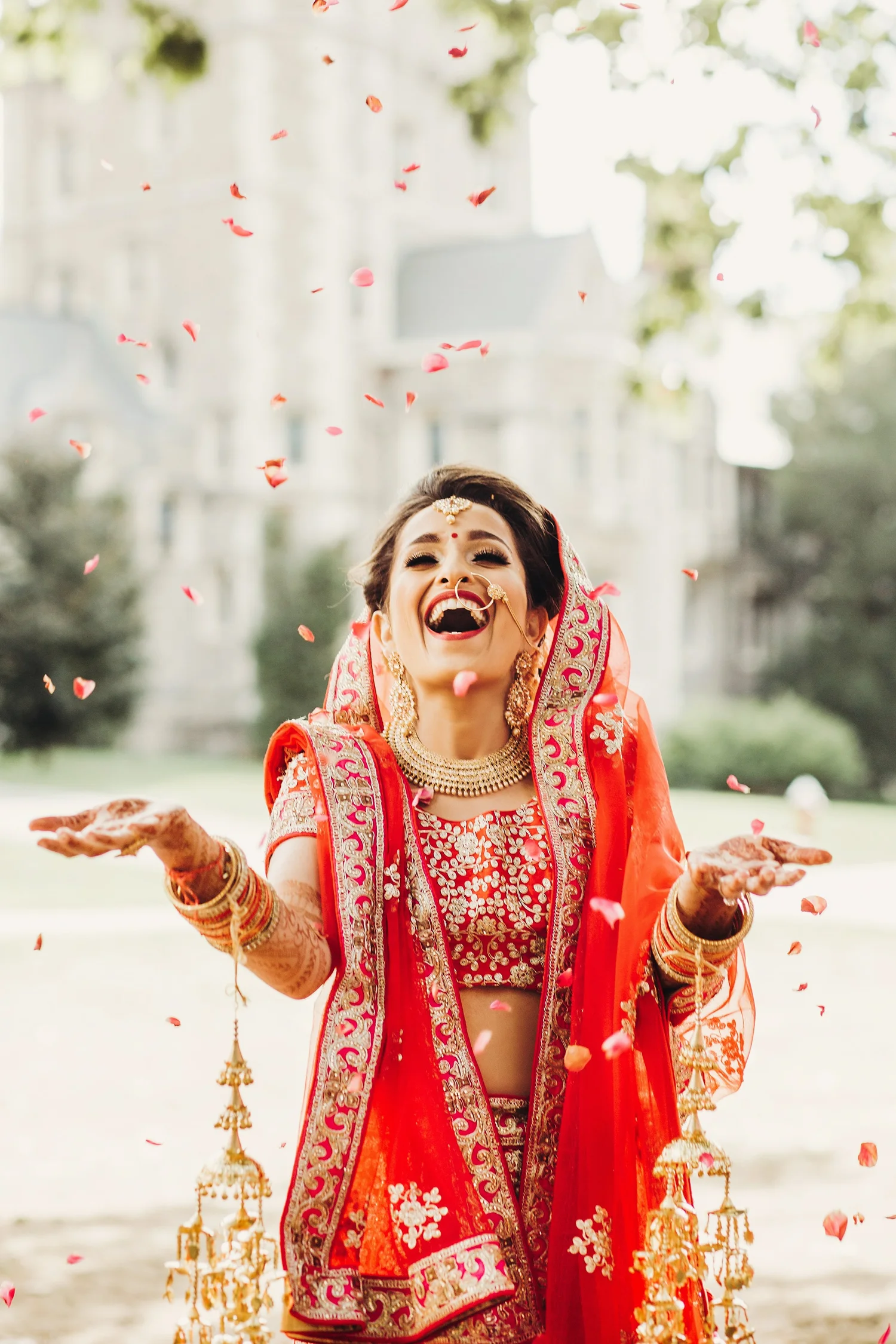
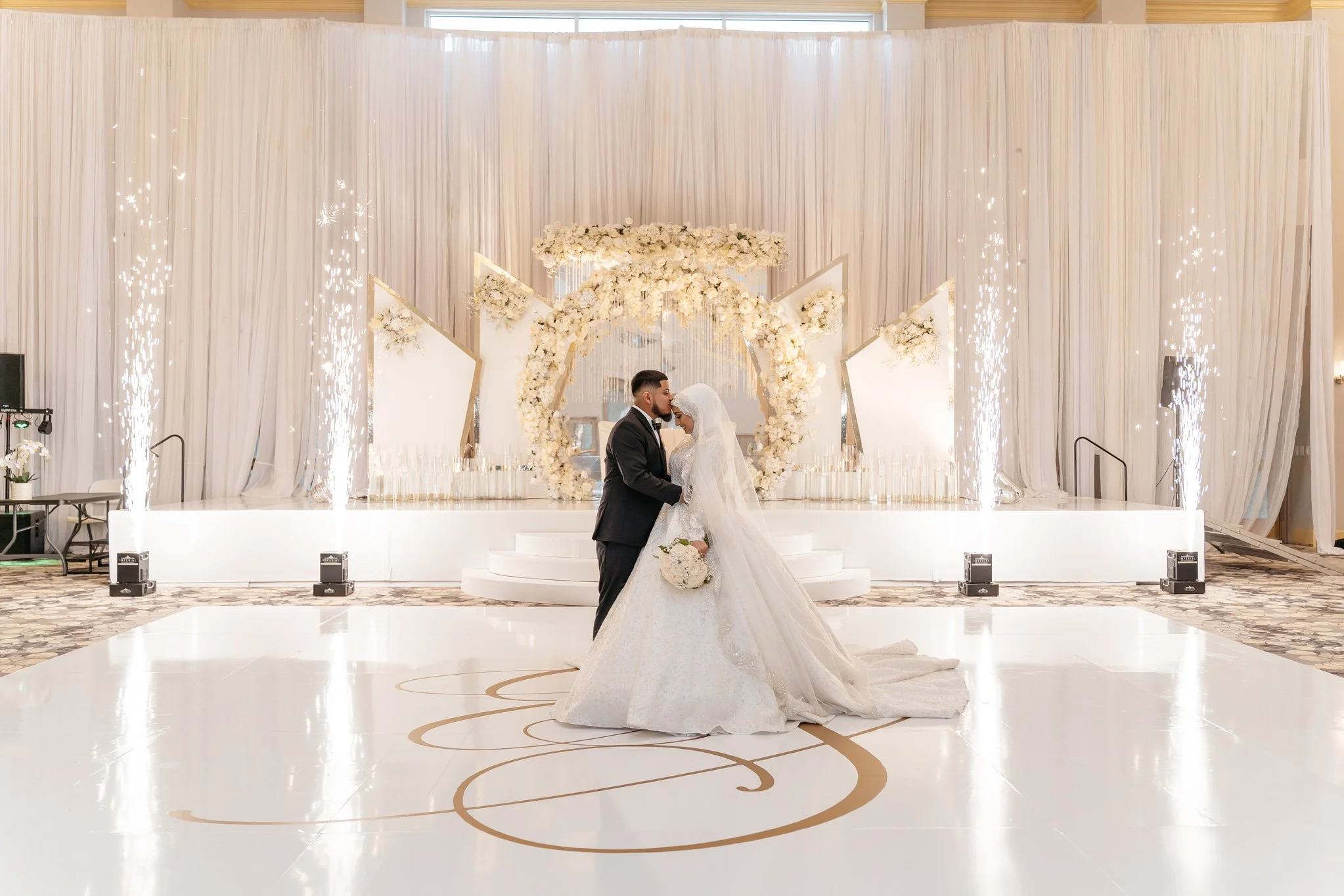
The Complete Guide to Wedding Photography (Styles, Timeline & Planning Tips)
Why Wedding Photography Planning Matters
When couples begin planning their wedding, most of the attention naturally goes to the visible parts of the celebration — the venue, the décor, the flowers, the music, and the food. But there is one part of the wedding that quietly becomes more valuable with time: the photographs.
Years after the celebration ends, the flowers will be gone, the music will fade, and the details will slowly blur together. What remains are the memories — the way your partner looked at you during the ceremony, the laughter during the speeches, the emotional hugs with family, and the moments you didn’t even realize were happening around you. Photography is what preserves those moments.
“And yet, wedding photography is one of the most under-planned parts of the wedding day”
SECTION-1
Many couples spend months choosing décor and colors, but only begin thinking about photography logistics a few weeks before the wedding. That’s when stress often appears — Wedding timelines feel rushed, important family photos get forgotten, and couples realize they aren’t sure what kind of images they truly want. A little thoughtful planning can completely change that experience.
When wedding photography is planned intentionally, the day feels smoother. There is time to breathe, time for meaningful portraits, and space for real moments to unfold naturally without feeling rushed.
Good planning also helps ensure that the photographs reflect what matters most to you — whether that’s emotional storytelling, family connections, cultural traditions, or simply the joy of celebrating with the people you love.
That’s exactly why this guide exists.
In the sections ahead, we’ll walk through everything couples should consider when planning their wedding photography — from understanding different photography styles to building the right timeline, preparing for family portraits, and capturing the moments you’ll cherish for decades. Along the way, we’ve also included several planning tools to make the process easier.
If you’d like all of these resources in one place, you can download “CLARITY GUIDE - the Sidpix Wedding Photography Planning Toolkit”, which includes:
Wedding Photography Timeline Template
Wedding Photo Checklist
Engagement Session Planning Guide
Family Portrait Planner
Wedding Photography Clarity Worksheet Report
Because when photography is thoughtfully planned, it allows you to focus on what truly matters on your wedding day — being fully present in the moment.
SECTION-2
When Should You Start Planning Your Wedding Photography?
Make it stand out
Most couples begin thinking about photography when they start researching photographers.
In reality, the planning process begins much earlier. Wedding photography isn’t just about the person holding the camera. It touches many parts of the day — your timeline, your ceremony lighting, family portraits, cultural traditions, and even how relaxed you feel in front of the camera.
Sidpix Client Portal (In partnership with theweddingplanninghub) allows brides to plan their complete wedding with ease.
Most couples begin thinking about photography when they start researching photographers.
In reality, the planning process begins much earlier. Wedding photography isn’t just about the person holding the camera. It touches many parts of the day — your timeline, your ceremony lighting, family portraits, cultural traditions, and even how relaxed you feel in front of the camera.
Sidpix Client Portal (In partnership with theweddingplanninghub) allows brides to plan their complete wedding with ease. NOT A CURRENT CLIENT, TRY UP TO 30 DAYS FOR FREE.
Starting early simply gives you more freedom to plan your day in a way that feels natural instead of rushed. A helpful way to think about it is to treat photography planning as something that evolves throughout your engagement. Below is a general timeline most couples find helpful.
12–14 Months Before the Wedding
Choose Your Photographer
Once your venue and date are secured, booking your photographer is usually the next major step.
Great photographers often book weddings 8–12 months in advance, especially during peak seasons.
This is also when you begin conversations about your vision for the day — the atmosphere you’re creating, the traditions that will be part of the celebration, and the kind of memories you want preserved.
At this stage, the goal isn’t to finalize every detail. It’s simply to choose someone you trust to document your story.
8–10 Months Before the Wedding
Plan Your Engagement Session
Engagement sessions are more valuable than many couples initially realize. They give you the chance to:
get comfortable in front of the camera
build a relationship with your photographer
create images for save-the-dates or your wedding website
experience how your photographer guides and directs
By the time the wedding day arrives, you’ll already know what it feels like to be photographed — which helps everything feel more relaxed
4–6 Months Before the Wedding
Begin Thinking About Your Photography Priorities
This is when couples typically start discussing the details that will shape their photography experience.
Questions often come up like:
Do we want a first look?
How much time should we plan for portraits?
What family photos should we prioritize?
Are there traditions or cultural moments we want carefully documented?
Every couple values different things, which is why identifying your priorities early can make planning much easier.
In the next section of this guide, we’ll walk through a simple exercise that helps couples clarify what matters most to them in their wedding photography.
2–3 Months Before the Wedding
Build Your Photography Timeline
Around this point, your photographer will typically begin helping you build a detailed timeline for the wedding day.
This includes planning time for:
getting ready photos
couple portraits
wedding party photos
family portraits
golden hour portraits
reception coverage
A thoughtful timeline allows the day to flow naturally while still creating space for meaningful photos.
Helpful Planning Tool
To make this step easier, we created a simple planning tool couples can use when mapping out their day.
Build & Download the Wedding Photography Timeline Template
Included inside the Sidpix Wedding Photography Planning Toolkit.
1 Month Before the Wedding
Final Details and Photo Lists
As the wedding day approaches, the final pieces usually come together:
confirming the timeline
finalizing family portrait lists
reviewing important moments or traditions
sharing any special requests
By this point, most of the planning work is already done — allowing you to focus on enjoying the final weeks before your celebration.
A Small Step That Makes Planning Much Easier
Many couples realize during this process that the most challenging part of photography planning isn’t logistics.
It’s figuring out what matters most to them.
Some couples care most about emotional storytelling.
Others value elegant portraits.
For some, family moments or cultural traditions are the most meaningful.
In the next section, we’ll walk through a simple exercise that helps couples discover their priorities — so the rest of the planning process becomes much clearer.
SECTION-3
The Sidpix Wedding Photography Clarity Framework
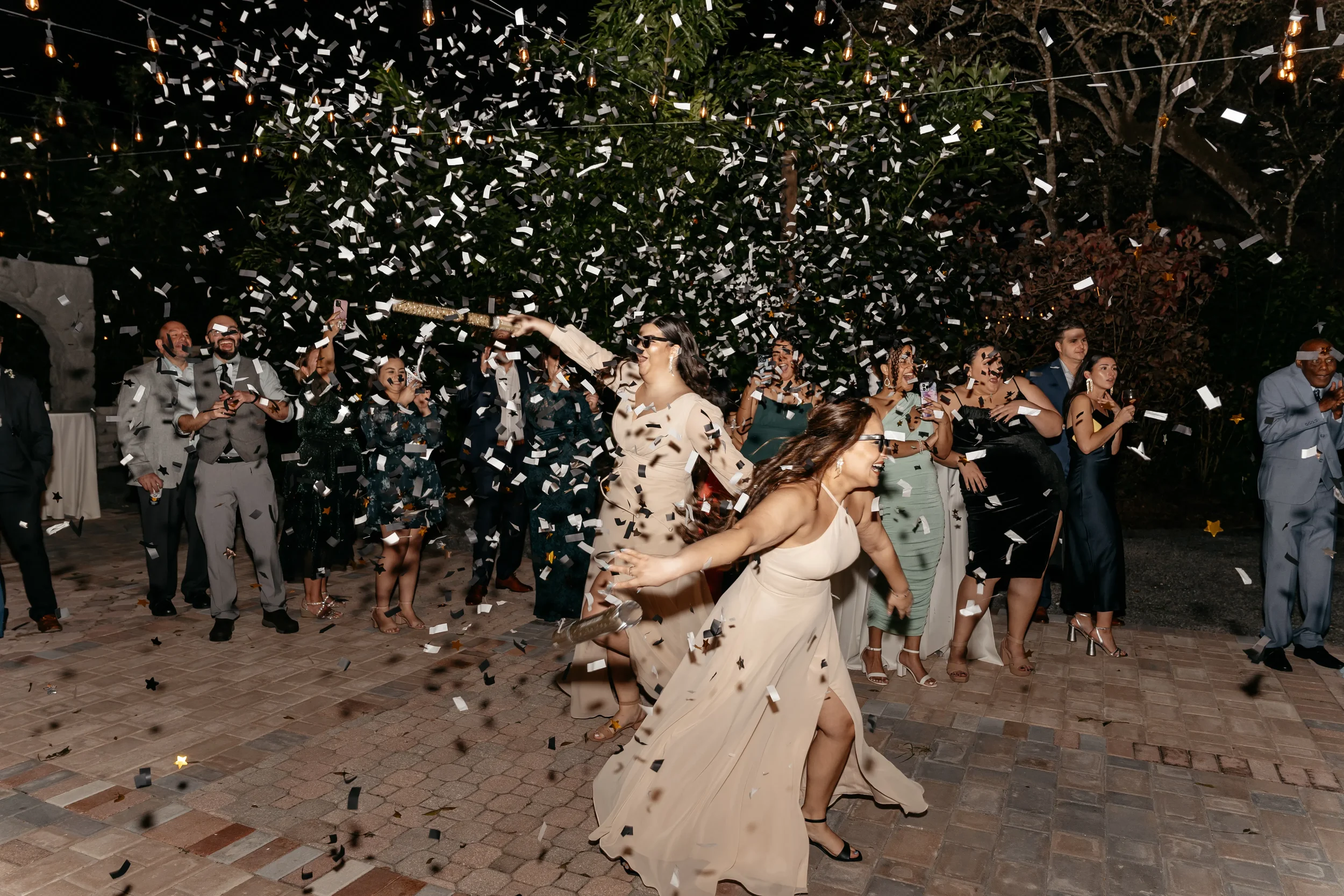
Every couple approaches their wedding day differently.
Some couples want photographs that capture every emotional moment as it naturally unfolds. Others dream about timeless portraits they can frame in their home for decades. Some couples care most about documenting family and generational relationships, while others want to preserve cultural traditions or the energy of the celebration. None of these priorities are more important than the others. They’re simply different.
The challenge for many couples is that they don’t always know what matters most to them until they begin planning their photography. When everything feels important at once, it can be difficult to decide how to structure the day, what moments to prioritize, or what kind of images will mean the most years later.
That’s why before diving deeper into the details of wedding photography planning, it can be helpful to take a moment and clarify your priorities. This is where the Sidpix Wedding Photography Clarity Framework comes in. It’s a simple exercise designed to help couples understand what they value most in their wedding memories. Once you identify those priorities, decisions like choosing a photography style, building your timeline, or planning portraits become much easier.
Step 1: Think About the Moments That Matter Most
Take a moment and imagine yourself looking back at your wedding photographs many years from now.
Which moments would you feel most grateful to see preserved?
For some couples, it’s the genuine emotions throughout the day — the laughter during speeches, the quiet tears during the ceremony, and the reactions of loved ones. For others, it’s the portraits. The timeless photographs of the two of you together, beautifully composed and filled with the atmosphere of the day.
Some couples think immediately about family — the photographs with parents, grandparents, siblings, and relatives who traveled from near and far to celebrate. Others value the traditions that shaped their ceremony, the rituals and customs that represent their culture and heritage.
And for many couples, the memories that stand out most are the joyful, energetic moments — the dance floor, the celebrations, and the feeling of being surrounded by everyone they love.
Each of these priorities reflects a different way couples experience their wedding day.
Step 2: Identify What Matters Most to You
If it helps, try narrowing your priorities to three areas that feel most meaningful to you.
For example:
Emotional storytelling and candid moments
Elegant portraits of the two of you
Family and generational relationships
Cultural or religious traditions
The atmosphere and celebration of the day
There is no right or wrong answer.
The goal is simply to understand which moments you want to feel most strongly when you look back at your photographs years from now.
Step 3: Use Your Priorities to Guide Your Planning
Once you’ve identified what matters most, the rest of your wedding photography planning becomes much clearer. Couples who value emotional storytelling often prioritize relaxed timelines and candid moments. Couples who love elegant portraits may plan extra time for golden hour photos or choose locations that create a beautiful backdrop.
Couples who care deeply about family relationships often structure their timelines to allow meaningful time with parents and grandparents. And couples celebrating cultural traditions often work closely with photographers who understand the rhythm and significance of those moments.
In the sections that follow, we’ll walk through each part of wedding photography planning — from understanding photography styles to creating your timeline and preparing for family portraits.
As you read through the guide, you can keep your priorities in mind and focus on the sections that align most closely with what matters to you.
Want Help Identifying Your Photography Priorities?
If you’d like a little extra help with this exercise, we created a quick interactive experience for couples planning their wedding.
Take the 2-Minute Wedding Memory Quiz
It will help you discover what matters most in your wedding photographs and guide you to the sections of this guide that will be most helpful for your planning.
SECTION-4
Understanding Wedding Photography Styles
Once couples begin exploring photographers, one of the first things they notice is that every photographer describes their work using different style terms.
You may see phrases like documentary, editorial, fine art, light and airy, or dark and moody. While these terms can be helpful, they can also feel confusing — especially if you’re seeing them for the first time while planning your wedding.
The most important thing to understand is that photography styles are not strict categories.
Most experienced photographers blend several approaches together. A wedding gallery might include candid documentary moments, elegant editorial portraits, and beautifully composed detail photographs — all within the same celebration.
Instead of trying to memorize style definitions, it’s often easier to think about how different styles shape the feeling of your photographs.
Below are a few of the most common approaches couples encounter when researching wedding photography.
Documentary / Photojournalistic
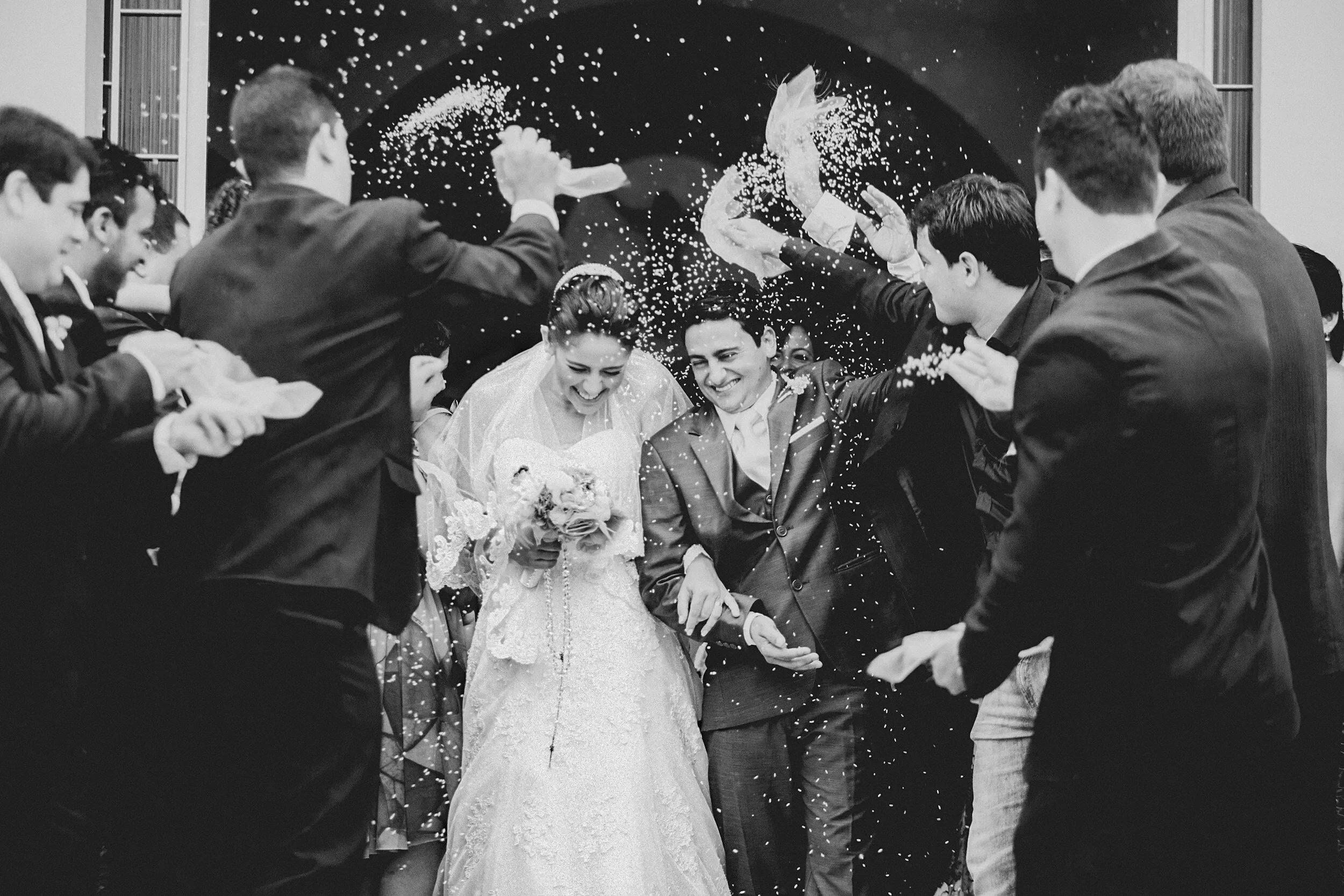
Documentary photography focuses on capturing real moments as they naturally unfold.
Instead of directing or posing every scene, the photographer observes the day quietly and captures emotions, reactions, and interactions in real time.
Couples who love documentary photography often value:
authentic storytelling
candid emotions
natural, unscripted moments
These photographs tend to feel honest and immersive — as if you’re stepping back into the moment when you look at them years later.
Editorial
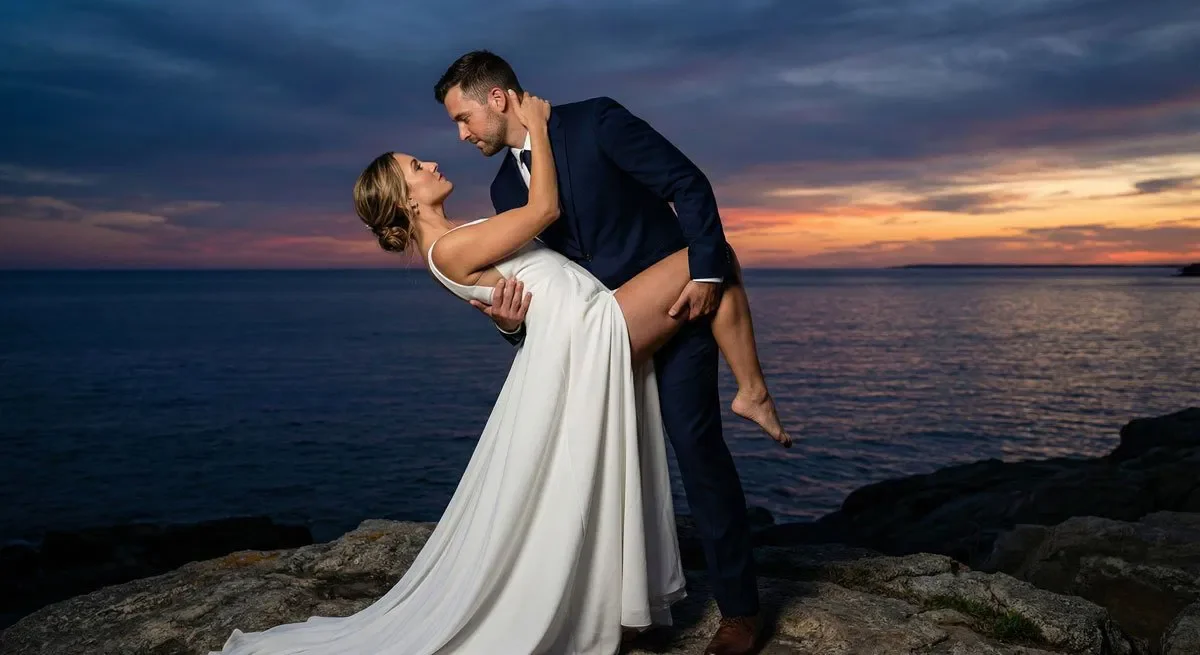
Editorial wedding photography is inspired by the style of fashion magazines and modern publications.
These photographs often feel polished, artistic, and carefully composed. Portraits are thoughtfully guided to create images that feel elegant, stylish, and timeless.
Couples who are drawn to editorial photography often love:
refined portraits
dramatic lighting or architecture
images that feel artistic and sophisticated
Editorial photography is especially popular for couples who want a balance between storytelling and beautifully styled portraits.
Fine Art
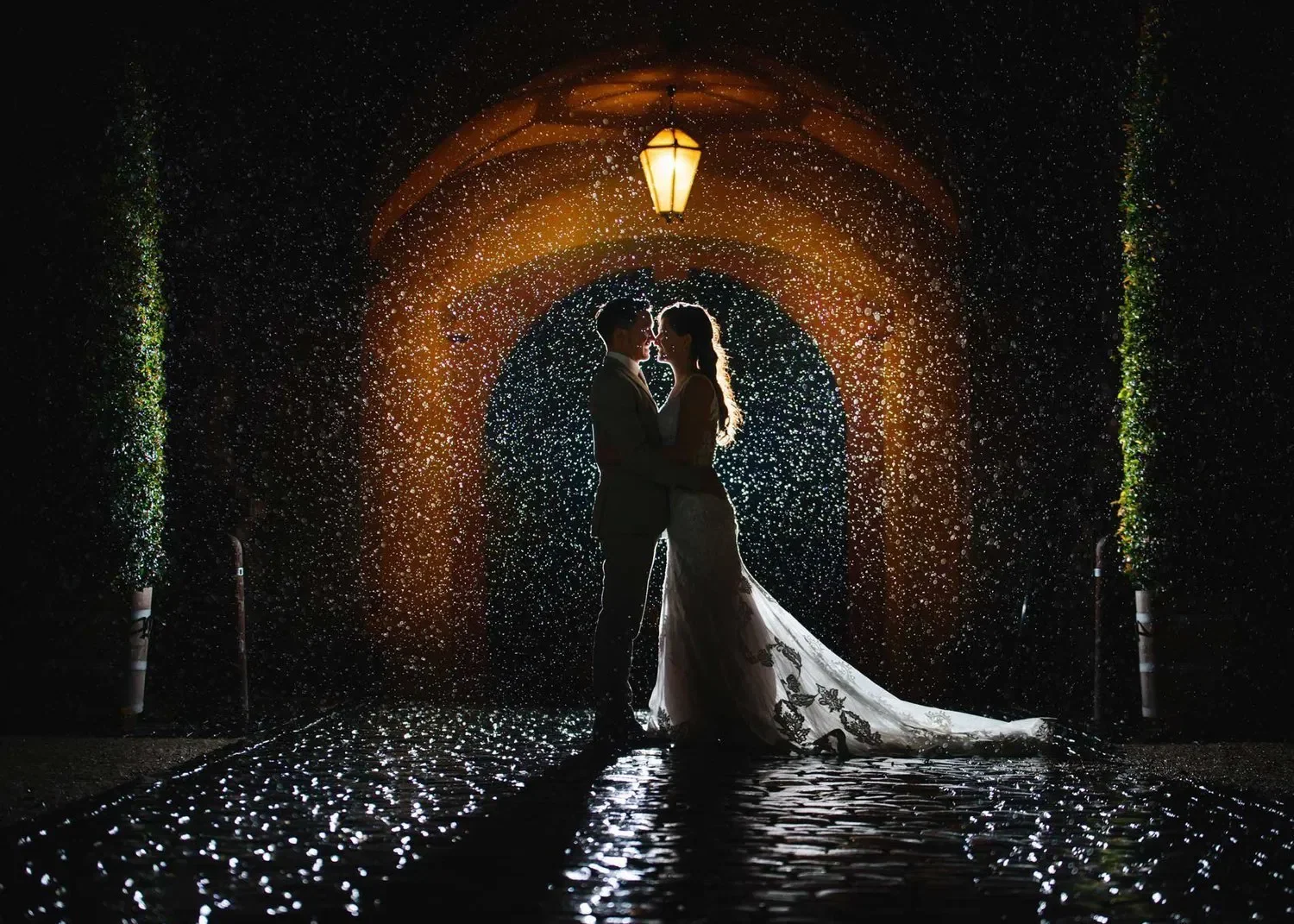
Fine art wedding photography emphasizes composition, light, and atmosphere.
Photographers working in this style often focus on soft light, romantic framing, and delicate color tones to create images that feel almost painterly.
Couples who appreciate fine art photography often value:
romantic imagery
thoughtful composition
soft, elegant aesthetics
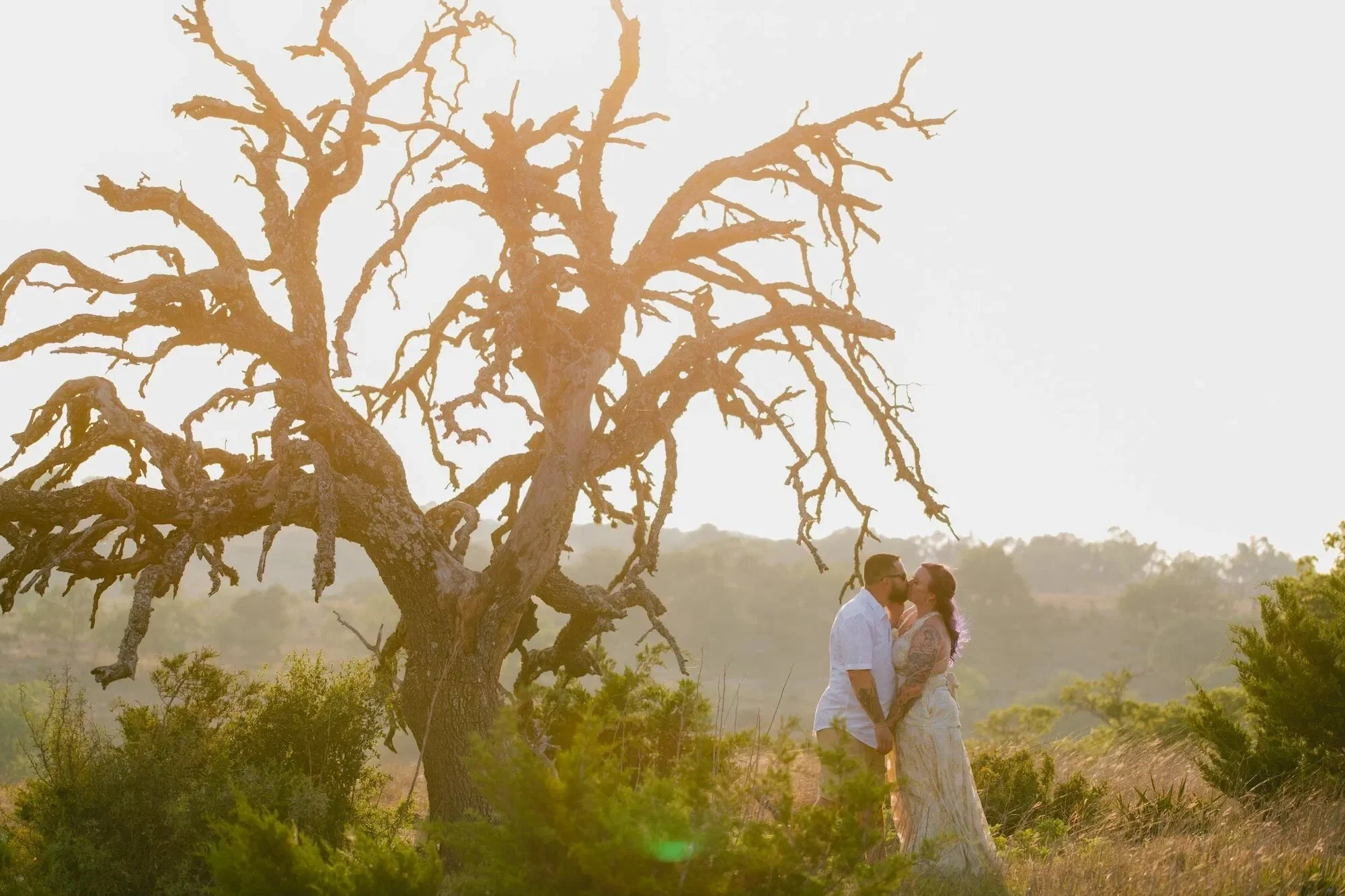
Light & Airy
Light and airy photography focuses on bright, natural tones and soft color palettes.
These images often feel luminous and romantic, with a gentle, dreamy atmosphere.
This style is especially popular for outdoor weddings, garden ceremonies, and couples who prefer a bright and timeless look.
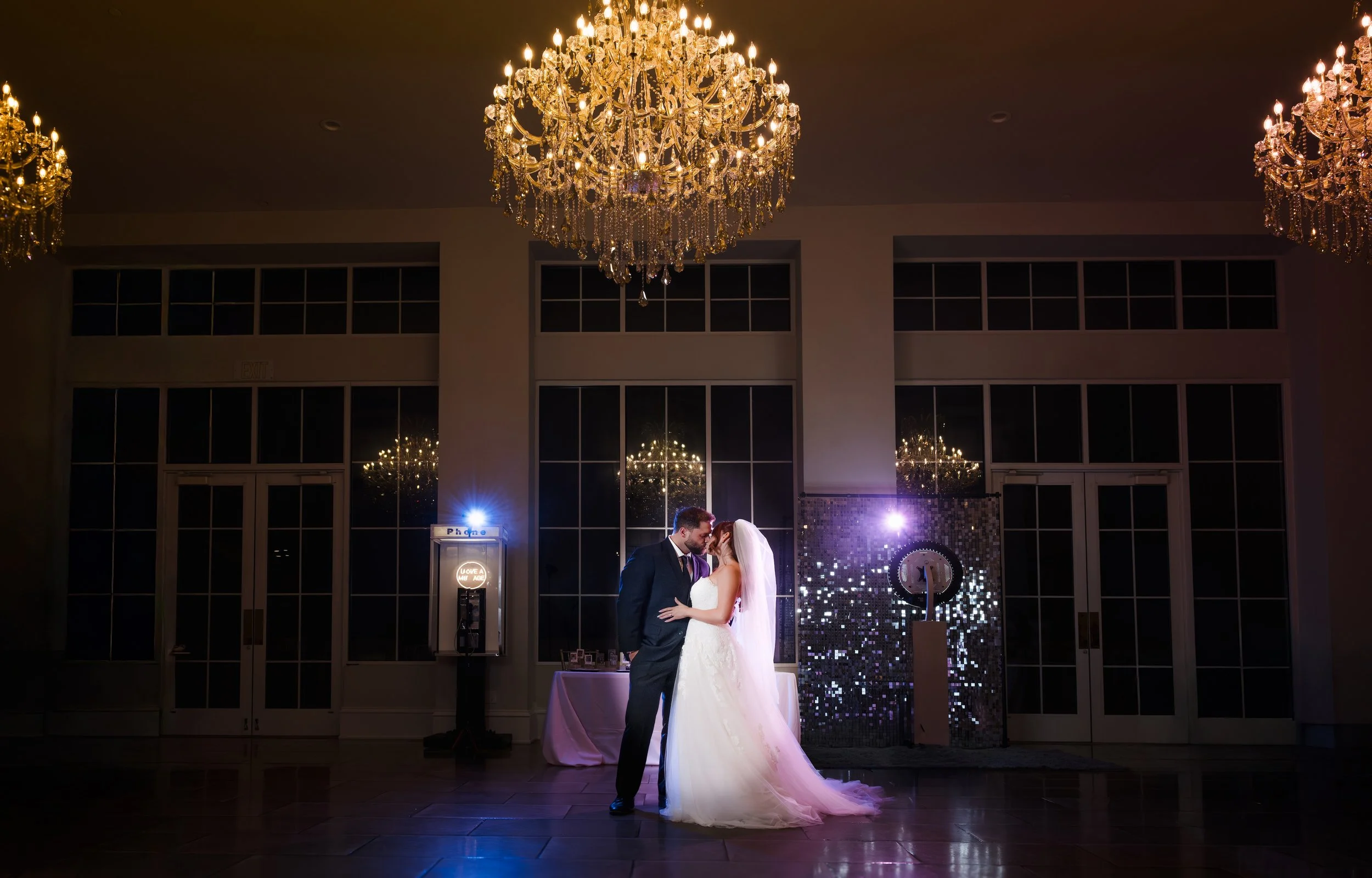
Dark & Moody
Dark and moody photography emphasizes contrast, rich tones, and dramatic lighting
These images often feel cinematic and emotionally powerful, with deeper shadows and more dramatic color grading.
Couples drawn to this style often appreciate imagery that feels bold, artistic, and atmospheric.
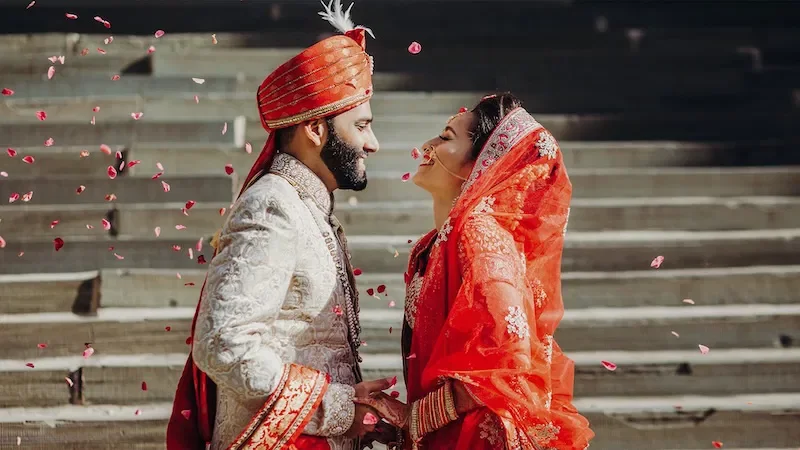
Traditional
Traditional wedding photography focuses on classic posed portraits and important moments throughout the day.
While many modern photographers lean toward documentary approaches, traditional photography still plays an important role during moments like family portraits and formal photographs.
Most Photographers Blend Multiple Styles
One important thing to remember is that wedding photography rarely fits into just one category.
A photographer might capture candid documentary moments throughout the ceremony, guide editorial-style portraits during golden hour, and create classic family photographs during the reception.
That blend of approaches is what allows a wedding gallery to tell the full story of the day.
As you explore different photographers, the most helpful thing to focus on is not the label of the style, but how the images make you feel.
Do the photographs feel natural and emotional?
Do the portraits feel elegant and timeless?
Do the moments look authentic and meaningful?
When you find a photographer whose work consistently evokes those feelings, you’re likely looking at someone whose style aligns with your vision.
Not Sure Which Style Fits You?
If you’re still unsure which photography style resonates most with you, we created a quick exercise to help.
Take the Wedding Photography Style Quiz
It only takes a minute and will help you discover which visual approach best reflects your vision for the day.
What Comes Next
Now that you understand how photography styles shape the look and feel of your images, the next step is learning how to choose a photographer whose approach aligns with your priorities and vision.
In the next section, we’ll walk through what couples should look for when selecting their wedding photographer — beyond just beautiful images.
SECTION-5
How to Choose the Right Wedding Photographer
Once couples begin exploring different photography styles, the next step is choosing the photographer who will document their wedding day.
For many couples, this decision can feel overwhelming at first. There are thousands of photographers online, countless portfolios to scroll through, and a wide range of styles and pricing.
The good news is that choosing the right photographer becomes much easier when you focus on a few key factors that truly matter.
Look Beyond Instagram Highlights
Instagram is often the first place couples discover photographers, but it only shows a small part of the story.
A photographer’s social media feed usually highlights their best portraits and most visually striking images. While these photos can give you a sense of their style, they don’t always reveal how the photographer handles an entire wedding day.
Before making a decision, ask to see full wedding galleries.
A full gallery shows how a photographer documents every part of the day, including:
getting ready moments
the ceremony
family portraits
candid guest interactions
reception coverage in different lighting conditions
This gives you a much clearer understanding of what your own wedding photographs might look like.
Pay Attention to Consistency
When reviewing full galleries, look for consistency.
Great wedding photographers are able to deliver strong images throughout the entire day — not just during golden hour portraits.
Pay attention to how the photographer handles:
different lighting environments
indoor and outdoor ceremonies
large family group photos
fast-paced moments during receptions
Consistency is one of the best indicators of experience.
Choose Someone You Feel Comfortable With
Your photographer will likely spend more time with you on your wedding day than almost any other vendor.
From getting ready in the morning to the final moments of the reception, they’ll be present for many of the most personal parts of the day.
That’s why personality and comfort matter just as much as photography style.
During your consultation or conversations, ask yourself:
Do they communicate clearly?
Do they make you feel relaxed?
Do they understand what matters most to you?
When couples feel comfortable with their photographer, it shows in the photographs.
Experience With Your Type of Wedding
Every wedding has its own rhythm and traditions.
Some weddings are intimate and quiet, while others involve large celebrations with hundreds of guests and multiple events across several days.
If your celebration includes cultural or religious traditions, it can be especially valuable to work with a photographer who understands those moments and their significance.
This allows the photographer to anticipate important events and document them respectfully without interrupting the flow of the ceremony.
Trust Your Emotional Reaction to the Work
When you look through a photographer’s portfolio, pay attention to how the images make you feel.
Do the photographs feel genuine and emotional?
Can you imagine yourself in those moments?
Do the couples look relaxed and natural?
The emotional connection you feel when viewing a photographer’s work is often the best indicator that their approach aligns with your vision.
Questions Worth Asking Before Booking
As you narrow down your options, there are a few questions that can help you feel confident in your decision.
For example:
How do you approach documenting a wedding day?
How do you guide couples during portraits?
How do you prepare for different lighting situations?
How do you handle unexpected timeline changes?
These conversations often reveal a lot about a photographer’s experience and philosophy.
Helpful Planning Tool
To make these conversations easier, we created a simple planning tool couples can use when meeting with photographers.
Build & Download the Wedding Photographer Interview Checklist
It includes helpful questions you can bring to consultations so you feel confident when making your decision.
You’ll find it inside the Sidpix Wedding Photography Planning Toolkit.
What Comes Next
Once you’ve chosen your photographer, the next step is one of the most important parts of the planning process:
building a wedding day timeline that allows your photography to unfold naturally.
In the next section, we’ll walk through how to structure your timeline so there’s enough space for portraits, family photos, and the candid moments that make your wedding day feel effortless
Section-6
Building the Perfect Wedding Photography Timeline
One of the most common concerns couples have while planning their wedding is whether there will be enough time for photographs.
A thoughtful timeline can make the difference between a day that feels rushed and one that feels relaxed and enjoyable. When photography is built naturally into the flow of the day, it allows moments to unfold without pressure and gives you the freedom to fully experience the celebration.
The goal of a wedding photography timeline isn’t to control every moment. It’s simply to create space for the important parts of the day to happen comfortably.
Below are a few key moments most couples plan for when building their photography timeline.
Getting Ready
The beginning of the day often holds some of the most meaningful and emotional moments.
Getting ready photographs capture the anticipation before the ceremony — the final touches of hair and makeup, family members helping with details, and the quiet excitement as the day begins.
Most couples plan 30 to 60 minutes for getting ready photographs.
This allows time to document:
details like rings, invitations, and attire
candid interactions with family and friends
the final moments before leaving for the ceremony
The First Look (Optional)
Some couples choose to see each other privately before the ceremony, while others prefer the traditional moment of seeing each other for the first time during the ceremony. A first look can create a quiet moment together before the celebration begins and often helps couples feel more relaxed throughout the day.
It can also provide additional time for portraits earlier in the schedule, which can help the rest of the day flow smoothly. However, there is no right or wrong choice here. The decision simply depends on the experience you want for your wedding day.
Couple Portraits
Portraits of the two of you together are often some of the most treasured images from the wedding day. While these photographs are beautifully guided by the photographer, they usually feel relaxed and natural. Many photographers use gentle prompts or movement rather than stiff poses to help couples feel comfortable.
Couples typically plan 20 to 40 minutes for portraits throughout the day.
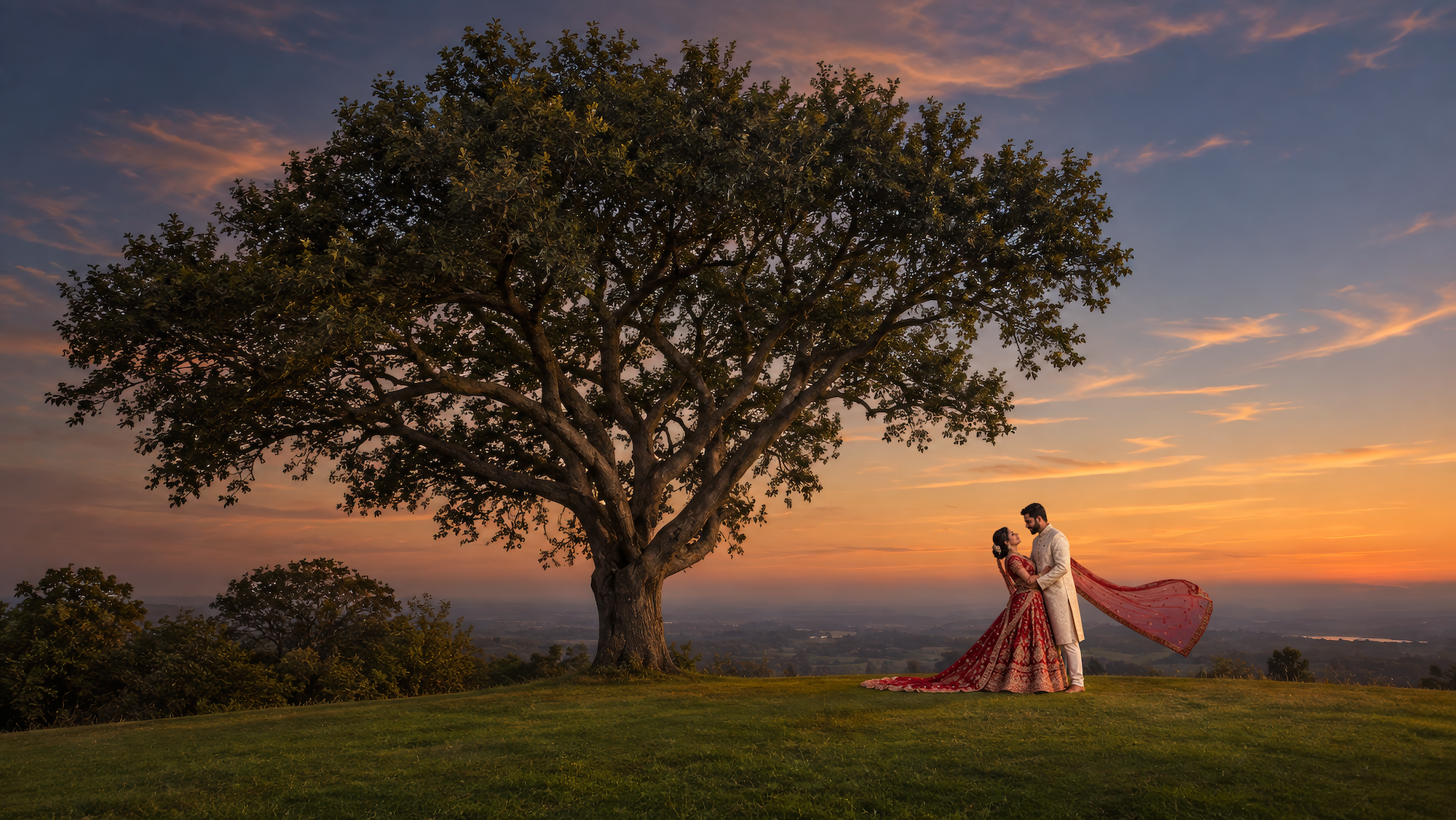
Many photographers also suggest setting aside time during golden hour, the soft light shortly before sunset, when outdoor portraits tend to look especially beautiful.
Wedding Party Photos
Wedding party photographs usually take place shortly after the first look or before the ceremony. These images capture the friends and siblings who are standing beside you during the celebration.
Depending on the size of the wedding party, couples often plan 20 to 30 minutes for these photographs.
Family Portraits
Family portraits are often one of the most important parts of the photography timeline. These images may become some of the most meaningful photographs you look back on years later, especially when they include parents, grandparents, and extended family. Because these portraits involve multiple people, planning ahead can make the process much smoother. Most couples plan 20 to 30 minutes for family portraits, depending on the number of groupings.
Preparing a simple family photo list ahead of time helps ensure no important combinations are missed.
Reception Moments
Once the reception begins, the timeline often becomes more flexible. Your photographer will document the natural flow of the celebration — speeches, dances, laughter between guests, and the energy of the evening. Important reception moments often include:
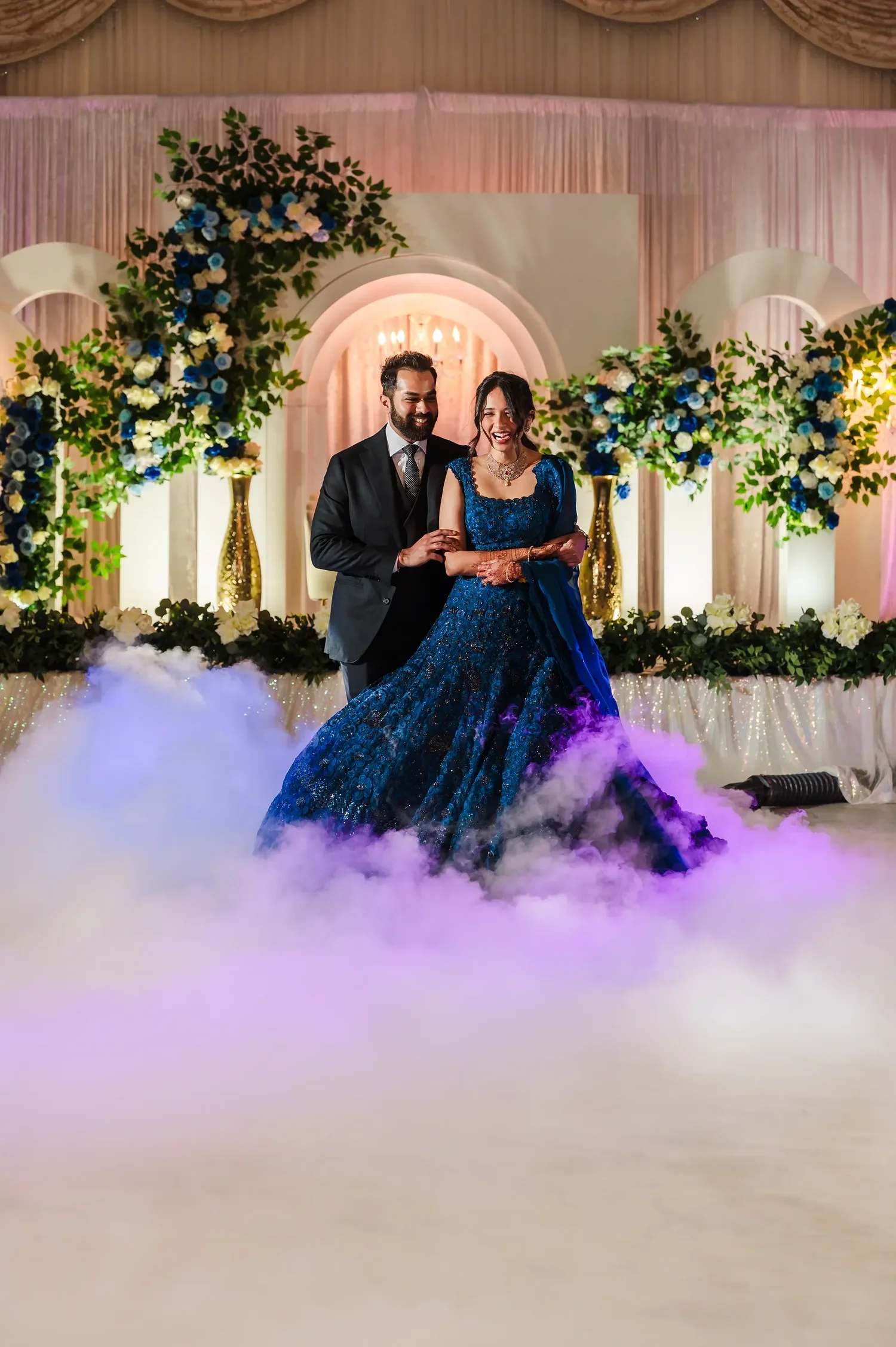
grand entrance
first dance
parent dances
speeches or toasts
cake cutting
dancing
These moments typically happen naturally within the reception schedule and are captured as they unfold.
Why Breathing Room Matters
One of the best things couples can do when planning their timeline is to allow small pockets of extra time throughout the day. These moments create space for unexpected laughter, spontaneous hugs, or quiet conversations that often become some of the most meaningful photographs. When a timeline feels relaxed, couples are able to stay present and enjoy the day rather than worrying about what comes next.
Helpful Planning Tool
If you’re beginning to map out your wedding day schedule, we created a simple tool that many couples find helpful.
Build & Download the Wedding Photography Timeline Template
It provides a clear structure you can use to organize the major photography moments of the day.
You’ll find it inside the Sidpix Wedding Photography Planning Toolkit, along with several other planning resources designed to make the process easier.
What Comes Next
Once the timeline is in place, the next step is preparing for another important part of the day:
your engagement session.
In the next section, we’ll explore why engagement sessions are more valuable than many couples realize — and how they help couples feel comfortable and confident in front of the camera before the wedding day arrives.
Section-7
Why Engagement Sessions Matter More Than Most Couples Expect
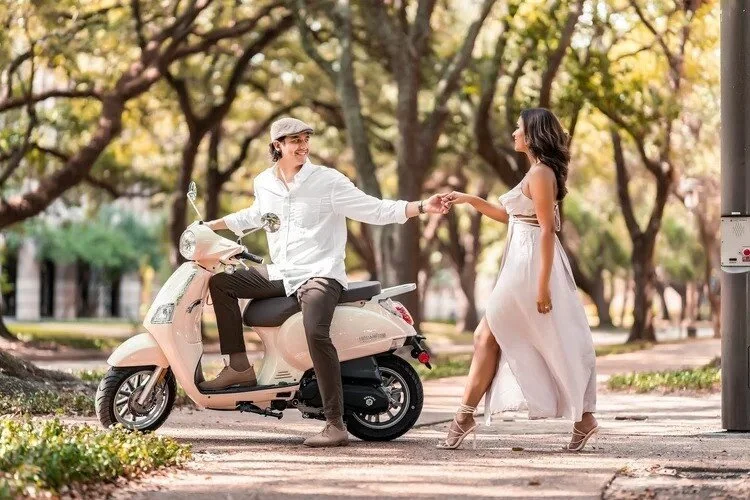
For many couples, an engagement session is the first time they’ve ever been professionally photographed together.
It’s completely normal to feel a little unsure at first. Many couples wonder if they will look natural in photos or worry about whether they’ll know what to do in front of the camera.
The good news is that engagement sessions are designed to feel relaxed and enjoyable. They’re less about perfect posing and more about creating a comfortable environment where you can simply be yourselves.
In many ways, an engagement session becomes a practice run for the wedding day — helping couples feel confident and comfortable long before the celebration begins.
Getting Comfortable in Front of the Camera
One of the biggest benefits of an engagement session is learning how it feels to be photographed together.
During the session, your photographer will guide you gently through different prompts and moments. Instead of stiff poses, most photographers focus on natural interactions — walking together, talking, laughing, or simply enjoying the moment.
By the time the session is finished, most couples realize that being photographed is much easier and more enjoyable than they expected.
This comfort often carries directly into the wedding day, allowing portraits to feel effortless and natural.
Building a Relationship With Your Photographer
Your engagement session also gives you time to connect with the person who will be documenting your wedding day.
You’ll begin to understand how your photographer works, how they guide couples during portraits, and how they help create relaxed moments in front of the camera.
By the time the wedding day arrives, you’ll already have a sense of familiarity and trust, which makes the entire experience feel much more comfortable.
Images You Can Use Throughout Your Wedding Journey
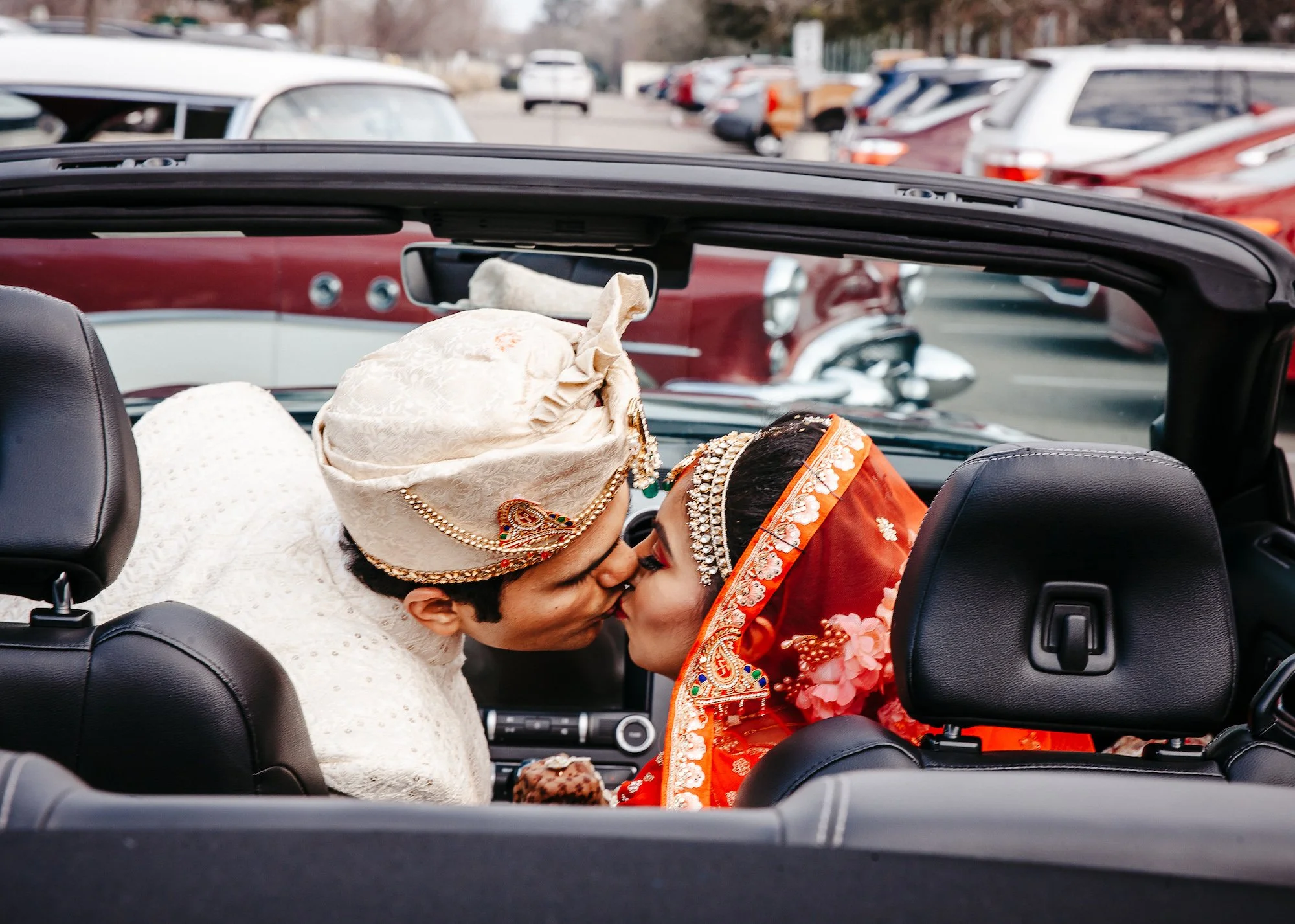
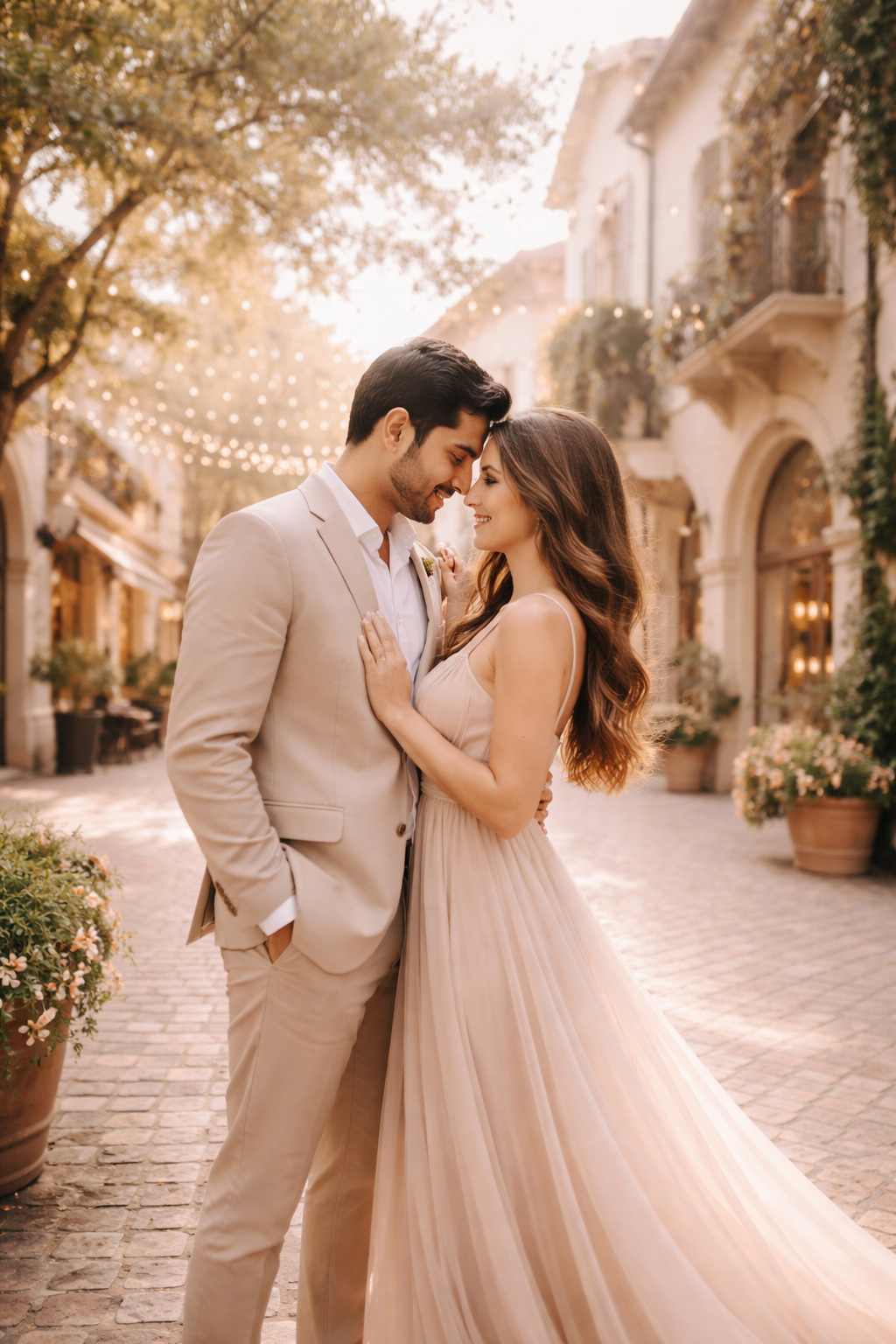
Engagement photographs
also become part of the story leading up to the wedding. Couples often use these images for:
save-the-date announcements
wedding websites
invitations or guest books
framed prints at the reception
They become a meaningful part of your engagement season — a way to celebrate this chapter of your relationship before the wedding day arrives.
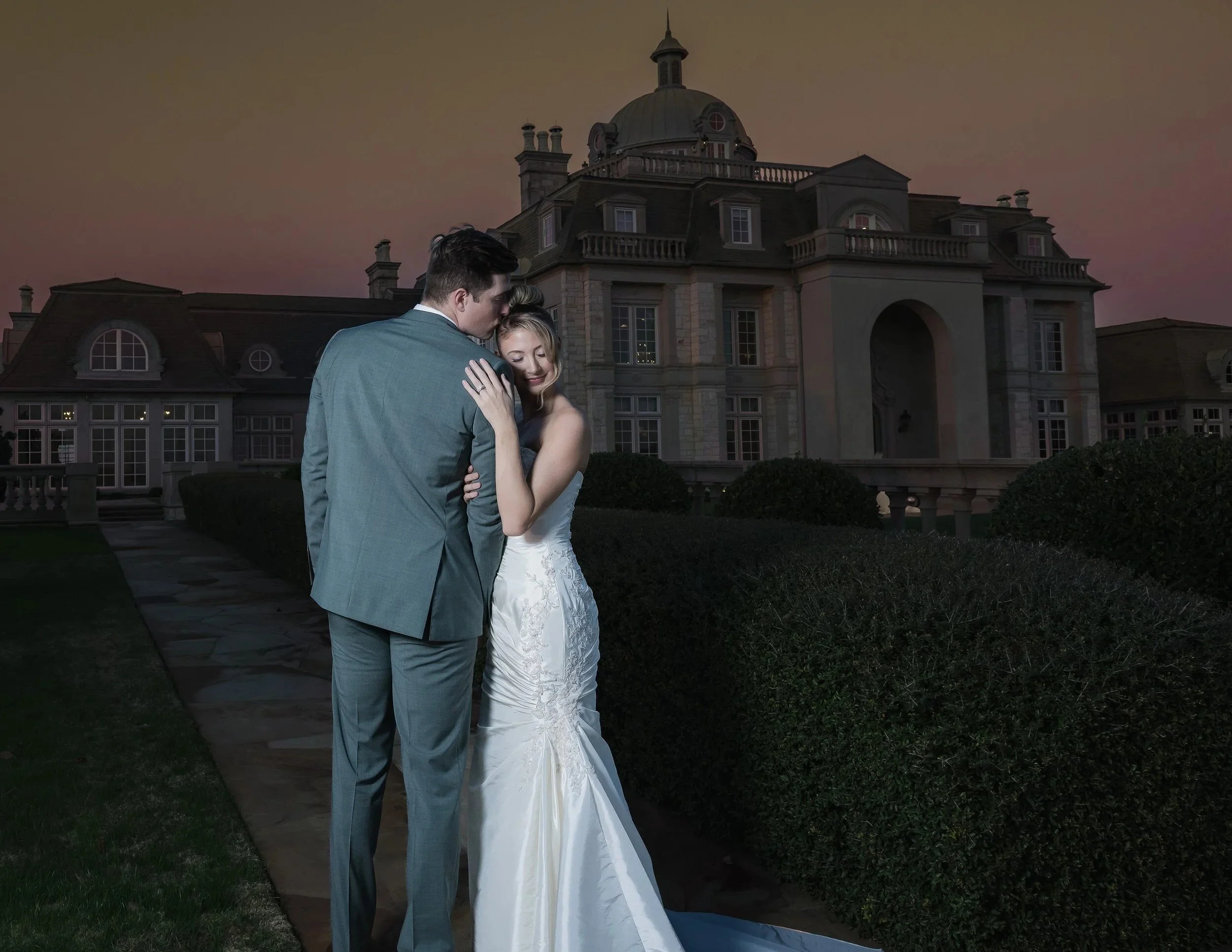
Choosing the Right Location
Engagement sessions can take place almost anywhere that feels meaningful to you.
Some couples choose locations that are connected to their relationship, such as the neighborhood where they met or a favorite park or café.
Others prefer scenic locations with beautiful light and open space that allow the photographs to feel relaxed and natural.
Your photographer can often recommend locations that photograph beautifully while still reflecting your personality as a couple.
What to Wear for Engagement Photos
Many couples wonder how formal their outfits should be for engagement photographs.
The most important thing is to wear something that feels comfortable and authentic to your style.
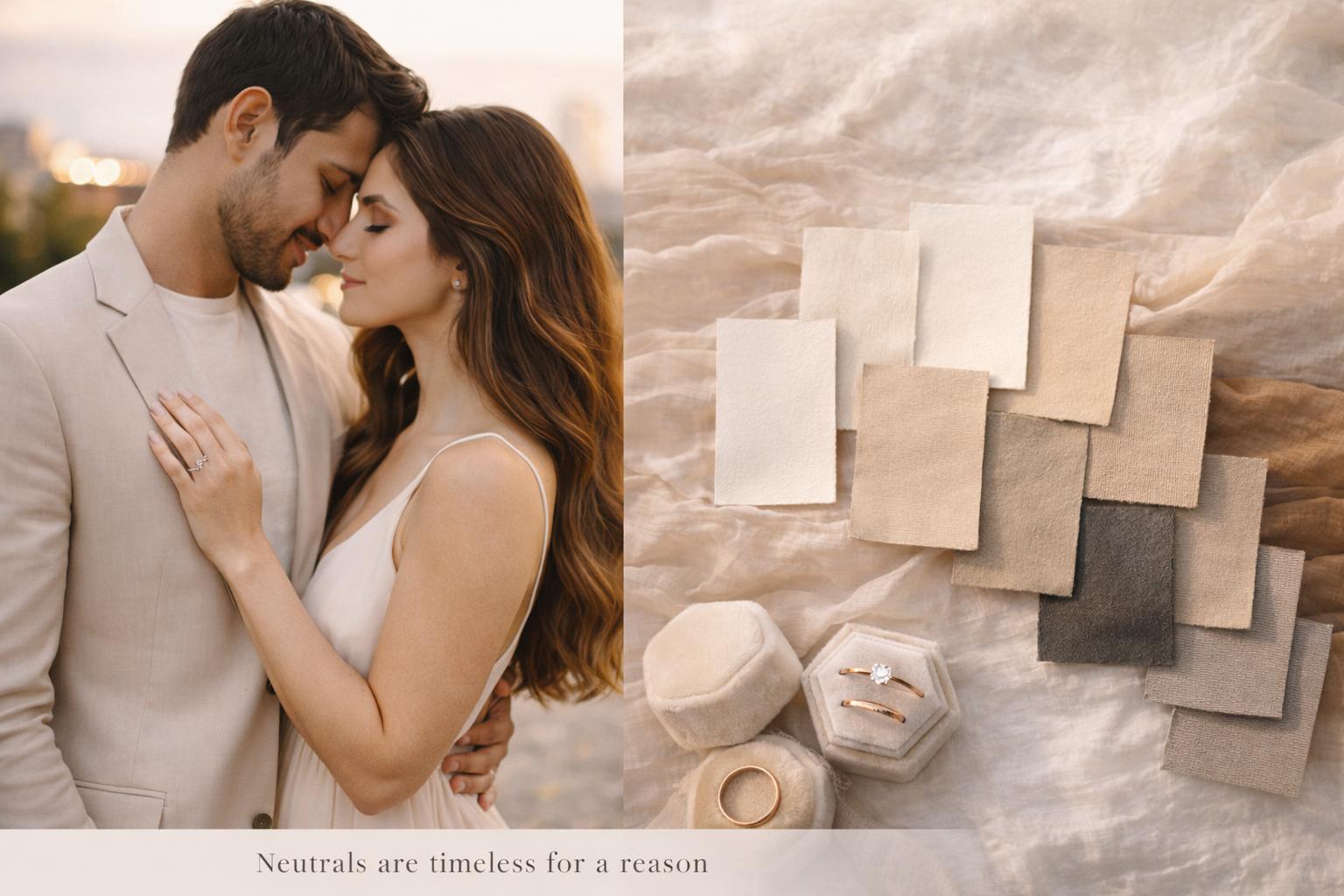
A helpful approach is to think about outfits that complement each other without matching exactly. Neutral tones, soft colors, and simple textures often photograph beautifully.
Some couples also choose to bring a second outfit so they can create two slightly different looks during the session.
Helpful Planning Tool
To make planning your engagement session easier, we created a simple resource couples can use while preparing for their shoot.
Build & Download the Engagement Session Planning Guide
It includes helpful tips for choosing locations, coordinating outfits, and preparing for a relaxed and enjoyable session.
You’ll find it inside the Sidpix Wedding Photography Planning Toolkit along with several other wedding photography planning resources.
What Comes Next
Now that we’ve explored engagement sessions and the moments leading up to the wedding day, the next step is preparing for one of the most meaningful parts of the celebration:
family portraits.
In the next section, we’ll walk through how couples can plan family photographs in a way that feels organized, efficient, and meaningful for everyone involved.
Section-8
Planning Family Portraits That Feel Meaningful and Organized
Family portraits are often some of the most cherished photographs from a wedding day. While the celebration is filled with many beautiful moments, the images that include parents, grandparents, siblings, and extended family often grow even more meaningful as the years pass.
For many couples, these photographs become part of their family history — the images that are framed in homes, shared with relatives, and passed down through generations. Because family portraits involve multiple people and limited time, a little preparation ahead of the wedding day can make the experience feel smooth and relaxed for everyone involved.
Why Planning Ahead Matters
On the wedding day, family portraits usually take place shortly after the ceremony when many relatives are already gathered in one location.
Without a clear plan, this part of the day can quickly become chaotic as people step in and out of the area or aren’t sure where they should be.
Creating a simple list of family groupings ahead of time helps ensure that:
no important combinations are forgotten
the process moves quickly and efficiently
family members feel included and respected
Most couples find that 10 to 15 thoughtfully chosen groupings is the right balance.
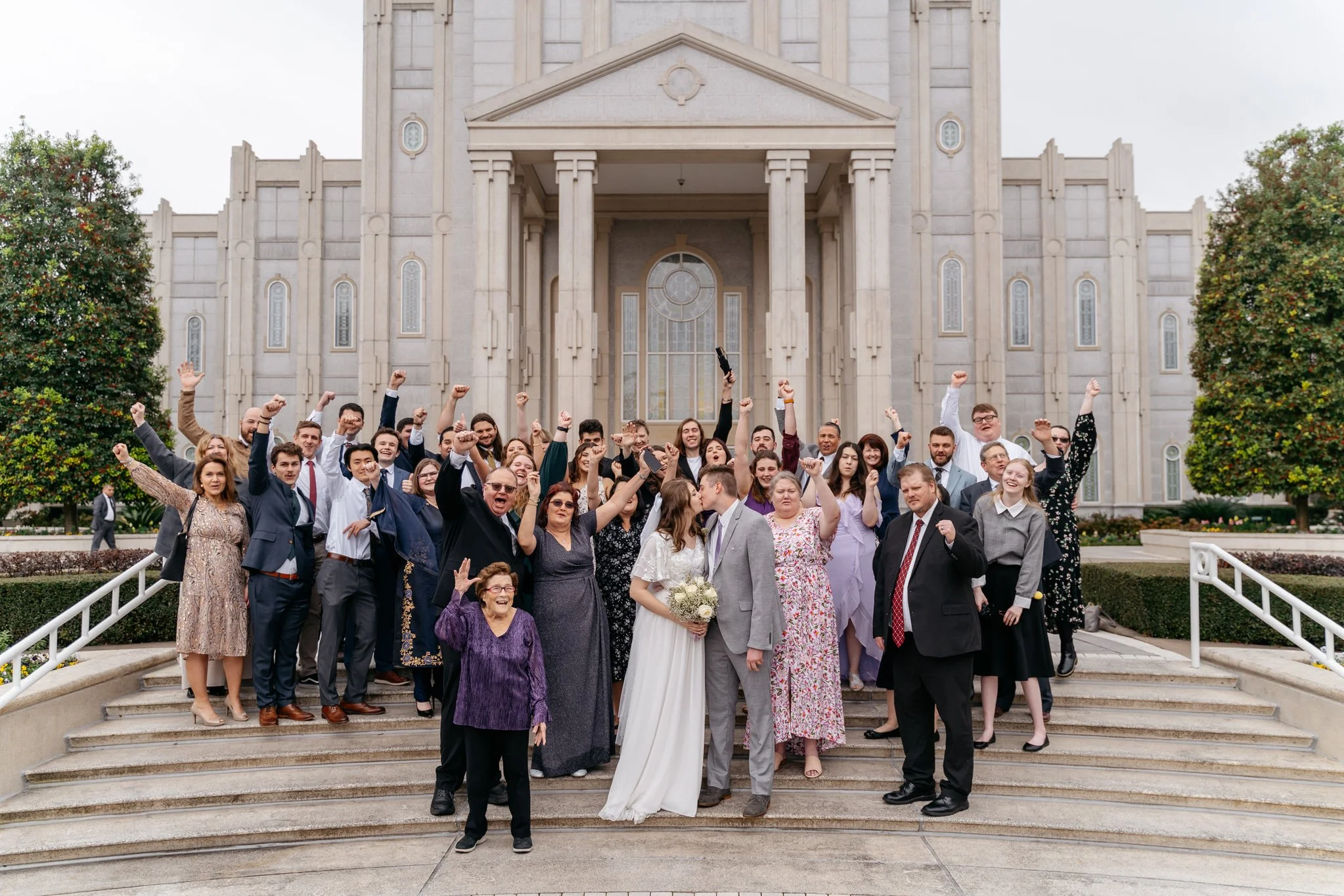
Start With fun & Immediate Family
The best place to begin when planning family portraits is with immediate family members.
This often includes:
parents
siblings
grandparents
From there, couples may choose to include a few additional combinations with extended family depending on how much time is available.
For example:
couple with bride’s immediate family
couple with groom’s immediate family
couple with both families together
couple with grandparents
These foundational portraits often become some of the most treasured photographs over time.

Consider Family Dynamics
Every family is unique, and wedding days often bring together relatives from different places and backgrounds.
Thinking about family dynamics ahead of time can help ensure the portrait process feels comfortable and respectful for everyone involved.
Some couples may wish to include step-parents, blended families, or important relatives who played a meaningful role in their lives.
Discussing these details with your photographer in advance helps create a thoughtful plan that honors those relationships.
Assign a Family Helper
One of the simplest ways to make family portraits run smoothly is to ask a trusted friend or relative to help gather people when it’s time for photos.
Because this person knows many of the family members personally, they can help quickly locate individuals and guide them into place.
This allows the photographer to stay focused on creating beautiful photographs rather than searching for missing relatives.
Keep the Atmosphere Relaxed
Family portraits don’t need to feel rushed or stressful.
With a clear plan and a little organization, this part of the day can actually become a moment where families pause, gather together, and celebrate the significance of the day.
Many couples find that these portraits become some of the images they cherish the most — especially as years pass and family members grow older.
Helpful Planning Tool
To make planning family portraits easier, we created a simple worksheet couples can use to organize their family photo list.
Build & Download the Family Portrait Planner
This template helps you map out your family groupings ahead of time so the portrait process feels smooth and organized on the wedding day.
You’ll find it inside the Sidpix Wedding Photography Planning Toolkit, along with several other planning resources designed to make the photography process easier.
What Comes Next
Once family portraits are thoughtfully planned, the final piece of wedding photography preparation is thinking about the moments you want to be sure are captured throughout the day.
In the next section, we’ll walk through the must-have wedding photos couples often treasure most — including a few meaningful moments many couples don’t realize they’ll want until after the wedding.
Section-9
Must-Have Wedding Photos (And a Few Moments Couples Often Forget)
Every wedding day unfolds a little differently, but certain moments consistently become the photographs couples treasure most.
Some of these moments are obvious — the ceremony, the first kiss, the first dance. But others are quieter and easy to overlook during the excitement of the day.
When couples look back at their wedding gallery years later, it’s often the combination of both types of images that tells the full story of the celebration.
Below are some of the moments couples most often cherish.

The Quiet Moments Before the Ceremony
The hours leading up to the ceremony often hold some of the most emotional moments of the day. These photographs might include:
a parent helping with the final details of getting ready
a quiet moment of reflection before walking down the aisle
friends laughing together as anticipation builds
These moments set the tone for the story that unfolds throughout the day.
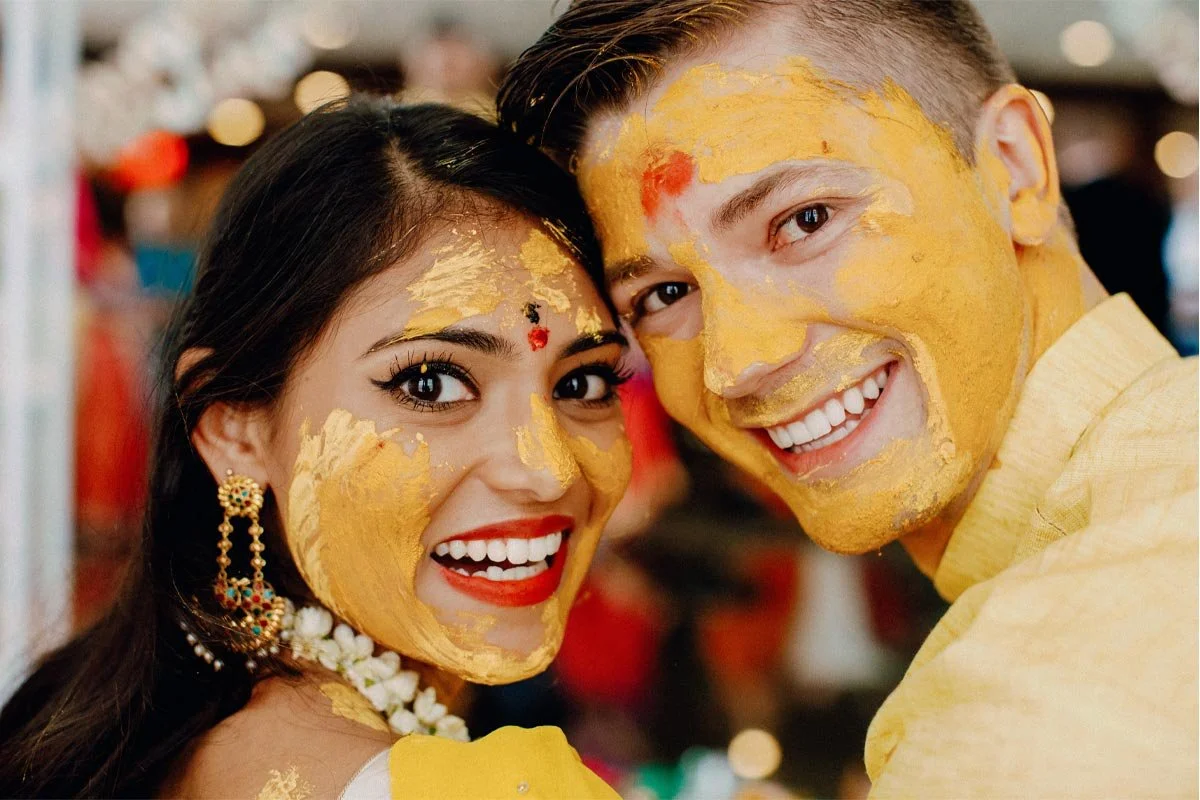
The Ceremony Reactions
While the ceremony itself is central to the wedding day, many couples later realize that the reactions around them were just as meaningful.
Photographs of guests smiling, tearing up, or exchanging glances during important moments often become some of the most powerful images from the ceremony.
These reactions help capture the shared experience of the day.
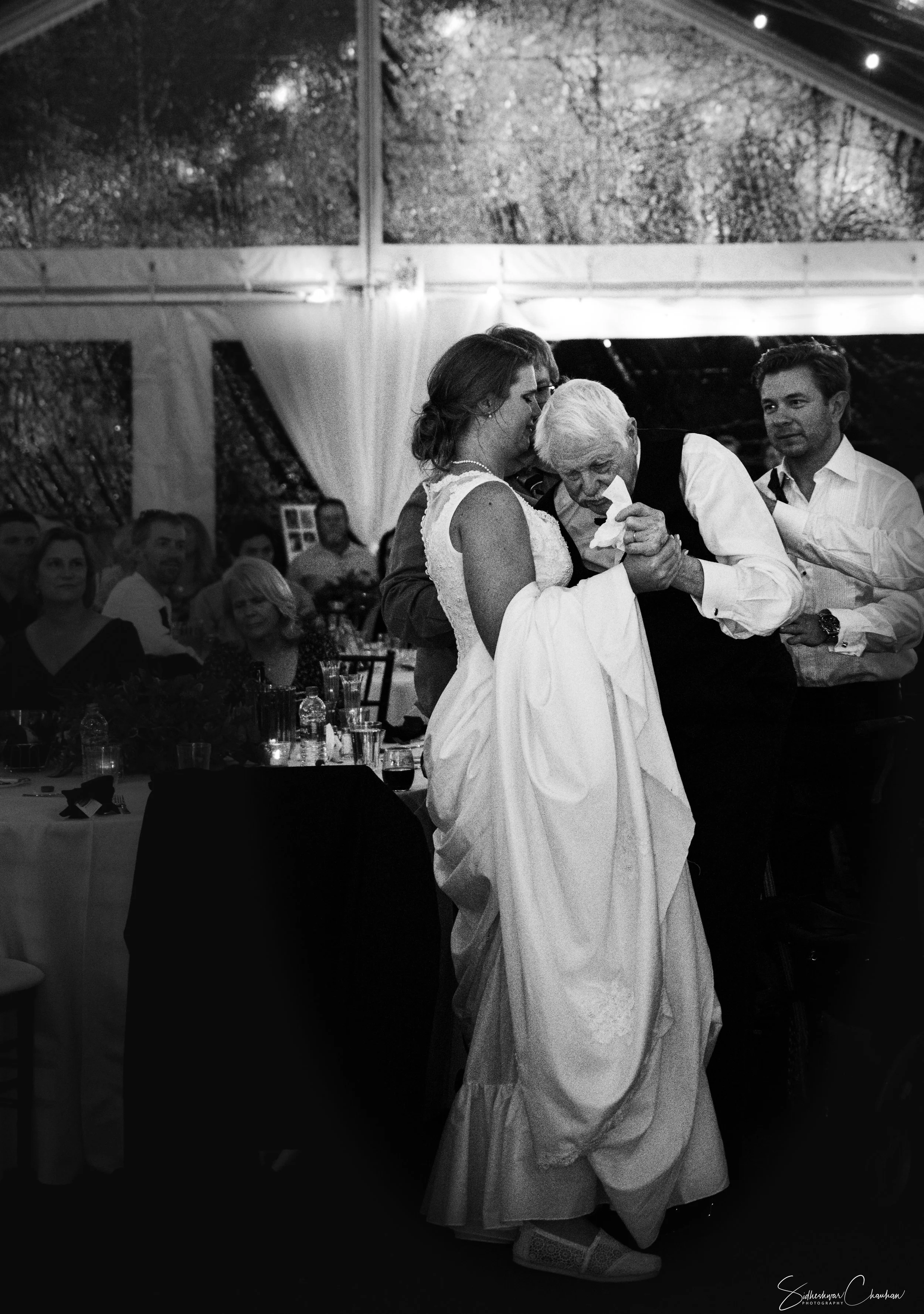
Meaningful Family Interactions
Throughout the day, small interactions between family members often reveal the deeper emotional significance of the celebration. These may include:
a parent adjusting a veil or boutonniere
grandparents watching the ceremony together
siblings sharing a quiet conversation during the reception
These moments often become especially meaningful over time.
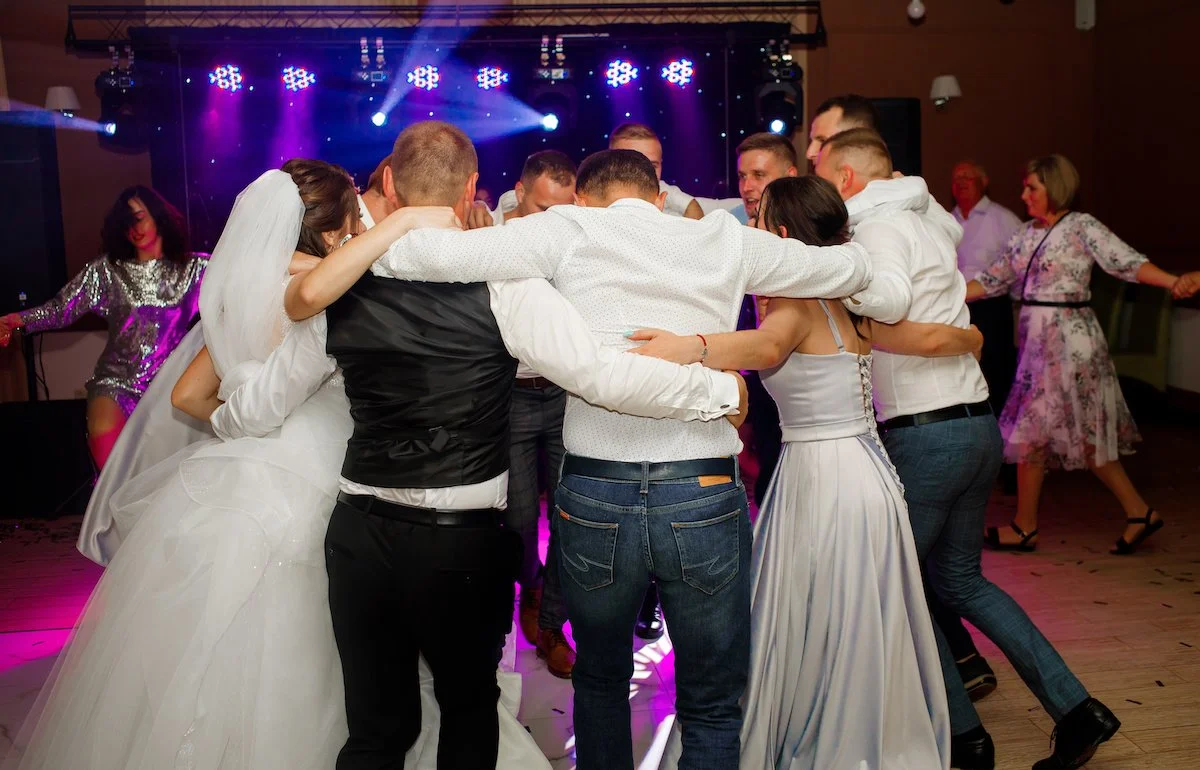
The Celebration With Friends
Weddings are also joyful gatherings where friends and loved ones come together to celebrate. Photographs of the dance floor, laughter during speeches, and spontaneous moments between guests help capture the atmosphere of the celebration. These images preserve the energy and personality of the day.
The Small Details That Reflect Your Story
Many couples spend months carefully choosing the details that reflect their personalities and the atmosphere they want to create. Details such as:
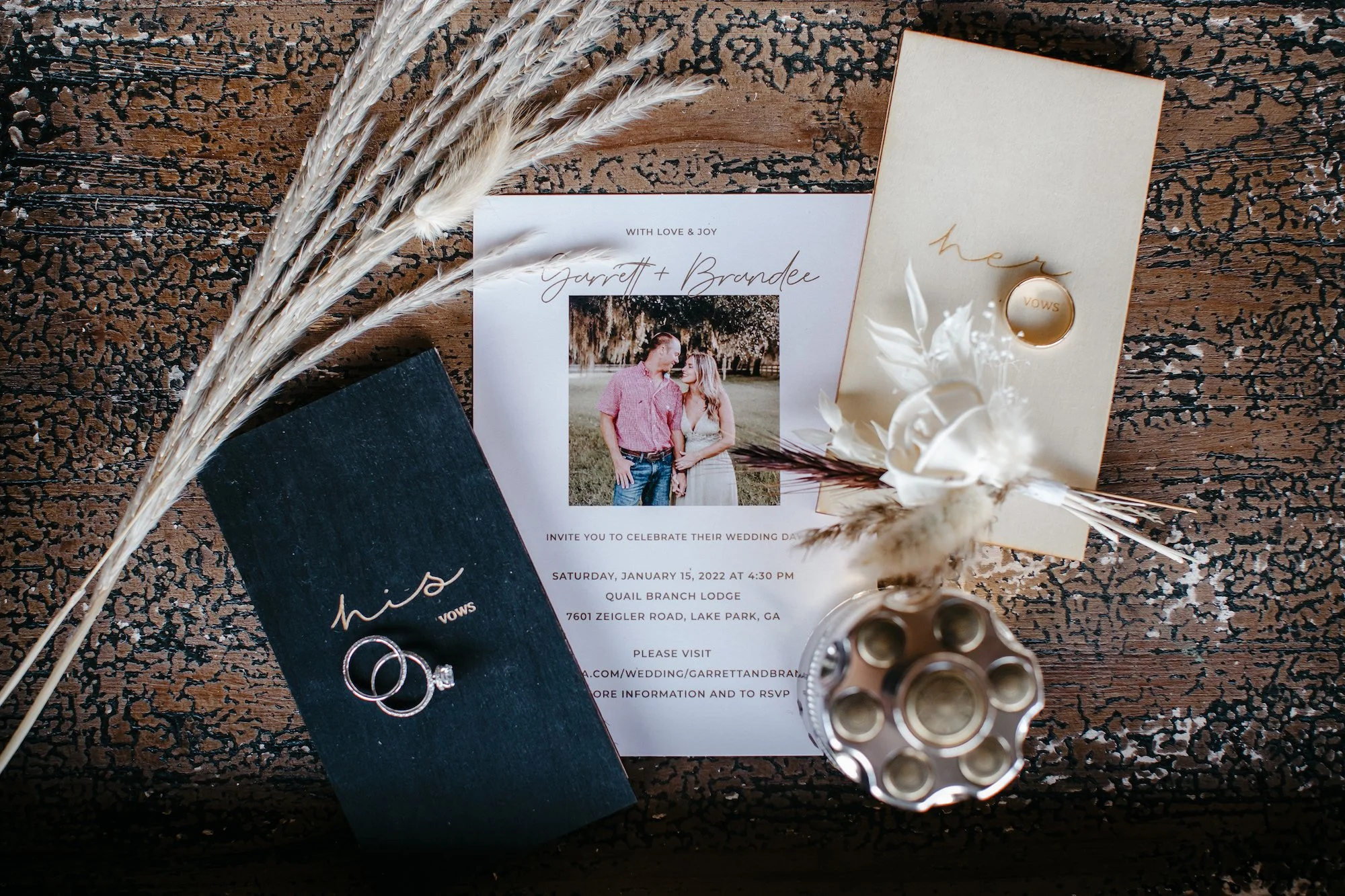
rings and heirlooms
invitations and stationery
florals and décor
cultural or religious elements
help tell the story of the celebration and provide context for the larger moments throughout the day.
The In-Between Moments
Some of the most memorable wedding photographs happen between the planned events.
A quick laugh while walking between locations.
A quiet hug after the ceremony.
A spontaneous moment of joy on the dance floor.
These unscripted moments often become the images couples return to most often when looking through their gallery.
A Simple Way to Make Sure Nothing Is Forgotten
While photographers are experienced at anticipating meaningful moments, many couples still like to create a simple list of photographs that feel especially important to them.
This might include:
family heirlooms
meaningful traditions
special guests traveling from far away
personal moments they want remembered
Helpful Planning Tool
To make this process easier, we created a simple resource couples can use while planning.
Build & Download the Wedding Photo Checklist
This checklist helps you organize the moments and details you’d like to make sure are captured throughout the day.
You’ll find it inside the Sidpix Wedding Photography Planning Toolkit, along with several other planning resources designed to make wedding photography feel effortless.
Bringing Everything Together
By the time you reach this stage of planning, you’ll have already thought through many of the most important parts of your wedding photography experience.
You’ll understand your priorities, the style of photography that resonates with you, the timeline of the day, and the meaningful moments you want preserved.
With those pieces in place, the final step is simply trusting the process and allowing your wedding day to unfold naturally.
In the final section of this guide, we’ll share a few simple tips that help couples feel relaxed, present, and fully able to enjoy their wedding day while the memories are being captured.
Staying Present on Your Wedding Day
After months of planning, your wedding day finally arrives.
The timeline is in place, the details are ready, and the people who matter most in your life have gathered together to celebrate with you.
In the midst of all that excitement, it can be easy to feel like the day is moving quickly. Many couples say the same thing afterward — that everything seemed to pass by faster than they expected.
That’s why one of the most important things you can do on your wedding day is simply allow yourself to be present.
Trust the planning you’ve already done. Trust the team around you. And most importantly, allow yourself to experience the moments as they unfold.
The laughter with friends while getting ready.
The emotion of seeing your partner during the ceremony.
The joy of celebrating with family and loved ones on the dance floor.
These are the moments that make your wedding day meaningful — and they’re the moments your photographs will help you relive for years to come.
A Simple Way to Make Wedding Photography Planning Easier
If you’re currently planning your wedding and want a little extra guidance, we created a collection of helpful tools couples can use throughout the process.
The Sidpix Wedding Photography Planning Toolkit brings together several resources mentioned throughout this guide so you can organize everything in one place.
Inside the toolkit you’ll find:
Wedding Photography Timeline Template
Wedding Photo Checklist
Engagement Session Planning Guide
Family Portrait Planner
Wedding Photography Clarity Worksheet
If that’s not enough, grab 30-Day Access to the Sidpix Wedding Planning Portal
These tools are designed to help couples plan their photography with confidence while keeping the process simple and enjoyable.
Download the Sidpix Wedding Photography Planning Toolkit
Your Wedding Story Is One of a Kind
Every wedding is different.
Different families.
Different traditions.
Different stories that brought two people together.
That’s what makes wedding photography so meaningful.
Long after the celebration ends, the photographs remain — quietly preserving the moments, emotions, and relationships that defined the day.
And years from now, when you return to those images, you’ll be able to experience those memories again just as vividly as when they first happened.
Continue Exploring
If you’re still planning your wedding photography, you may also find these resources helpful:
Planning a Wedding in Dallas–Fort Worth, houston, austin or san antonio?
If you’re looking for a Dallas wedding photographer or a wedding photographer in houston, austin or san-antonio - who values emotional storytelling, cultural awareness, and timeless imagery, I’d love to hear about your celebration.
You can explore more stories in the wedding journal or reach out anytime to start the conversation.